
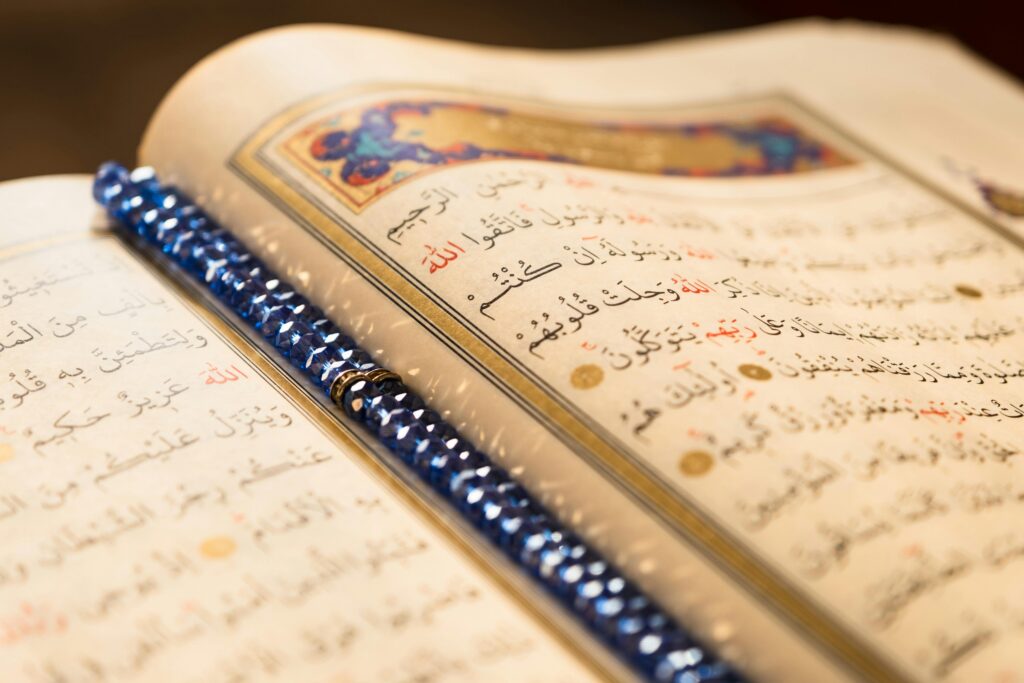
Best Time for Online Quran Classes in Ramadan (Kids & Adults)
A complete schedule guide around Suhoor, school/work, Iftar, Taraweeh, and time zones (plus a routine that actually sticks).
Ramadan changes the rhythm of life. Sleep patterns shift, mealtimes move, energy rises and falls differently, and homes become busier in the evenings. That is why, every year, a common question appears across search engines:
“What is the best time for online Quran classes in Ramadan?”
And closely related questions like:
best time to learn Quran in Ramadan, Ramadan Quran schedule for kids, best time for Tajweed class in Ramadan, and online Quran classes timings in Ramadan.
The good news: there is a clear answer just not a one-size-fits-all one.
The best time for online Quran lessons in Ramadan depends on four things:
- Who the student is (kids vs adults)
- What the goal is (Nazra/Qaida, Tajweed, Hifz/memorization, Islamic studies)
- What the daily routine looks like (school/work, Taraweeh, family commitments)
- Time zone matching (especially for international students and teachers)
This guide will help you pick the best class timing for Ramadan using a simple framework, and it will give you practical schedules you can actually maintain, without burnout.
Quick Answer: Best Time for Online Quran Classes in Ramadan
The best time for online Quran classes in Ramadan is the time slot you can follow consistently without harming sleep or daily responsibilities. For many adults, the most effective option is after Fajr, because mornings are quieter and the Prophet ﷺ prayed for blessing in the early part of the day. For most kids, the best time is after school/before Asr or early evening, with shorter lessons (20–30 minutes) to avoid fasting fatigue and late bedtimes.
Why “Timing” Matters More During Ramadan
Outside Ramadan, you can often rely on your normal routine. In Ramadan, that routine is re-written:
- Nights become longer due to Taraweeh and family gatherings.
- Days can feel slower because of fasting.
- Late afternoons may bring low energy for some students.
- Kids may struggle with focus when they sleep late.
- Adults may find it hard to study after Isha if they are exhausted.
So the “best time” is not about squeezing a lesson into the day. It is about choosing a slot that supports focus, consistency, and good character in the home. A schedule that causes stress, arguments, or constant cancellations defeats the purpose of Quran learning in Ramadan.
A Ramadan Learning Principle: Small + Consistent is Better Than Big + Broken
Many families start Ramadan with strong motivation: “We will do long classes daily.” Then the routine collapses after a week.
A better approach is to build a plan that fits real life. Even 20–30 minutes, done consistently, can bring visible progress in Quran reading and Tajweed during Ramadan especially for children and beginners.
The 3 Best Time for Online Quran Classes in Ramadan
Most students succeed when they choose one of these three windows and stick to it.
1) After Fajr (Early Morning Quran Class)
For many people, this is the most reliable “protected time” in Ramadan.
Why it works
The Prophet ﷺ made a du’a for barakah in the early part of the day:
“O Allah, bless my people in their early mornings.”
That “early morning barakah” is not only a spiritual idea, it often shows practically. Mornings are quieter. The mind is clearer. The phone is not controlling the day yet. This is why many adults find their after-Fajr online Quran class in Ramadan becomes the most consistent habit of the month.
Who it is best for
Recommended class duration
- Adults and working professionals
- Teens who can wake up easily
- Students focusing on Tajweed (pronunciation needs calm focus)
- Students doing light Hifz revision
- Students who want a stable daily routine
- Adults: 25–45 minutes
- Teens: 25–40 minutes
- Kids (only if they manage mornings well): 15–25 minutes
A realistic note
After-Fajr classes only work if sleep is managed. Ramadan is not meant to turn the home into chaos. If a student is sleeping too late nightly, the morning slot will become painful instead of productive.
2) After School / Before Asr (Best for Kids in Ramadan)
If your primary goal is kids Quran classes in Ramadan, this is often the easiest time.
Why it works
Kids returning from school can do a short class before the house becomes busy with Iftar preparation. It’s also usually earlier than late-night worship, which protects bedtime.
Who it is best for
- Children learning Noorani Qaida or Nazra
- Kids building daily reading fluency
- Beginners who need consistent practice more than long sessions
Recommended class duration
- Ages 4–8: 15–25 minutes
- Ages 9–12: 20–35 minutes
The most important rule for kids
In Ramadan, keep learning gentle and consistent. Don’t turn Quran class into a daily argument. The goal is to build love and stability.
3) After Isha / After Taraweeh (Night Classes)
This can work for adults and older teens but not for everyone.
Why it works
Evenings feel “free” after dinner and family time. Many adults also feel spiritually motivated at night and enjoy recitation practice after prayer.
Who it is best for
- Adults with flexible sleep
- Older teens who function well at night
- Students focusing on recitation practice and Tajweed correction
The main risk
Late-night classes can push bedtime too far, causing fatigue and cancellations. If you choose night classes, shorten the lesson and keep it consistent rather than long and exhausting.
Spiritually Powerful vs Practically Sustainable
Some families ask:
“Should we study Quran at Tahajjud time because it is a special time?”
The last third of the night is indeed a special time for du’a and seeking forgiveness. The Prophet ﷺ described that Allah invites His servants in that time to ask and seek forgiveness.
But that does not necessarily mean it is the best time for a long learning session especially if it harms sleep and creates stress.
A balanced approach that works
- Keep Tahajjud time for short worship + du’a (even 10–20 minutes).
- Keep Quran classes in a sustainable time window (after Fajr or after school for kids).
This approach protects both spirituality and daily stability.
Best Time for Online Quran Classes in Ramadan: Kids Edition
Parents search for:
best time for online Quran classes for kids in Ramadan, Ramadan Quran schedule for kids, how to manage Quran class with school.
Here is a practical answer.
What kids need in Ramadan
Kids need:
- regular sleep
- short sessions
- a calm tone
- consistency more than intensity
When kids are tired, they lose focus and become resistant. So the best time is usually when they are not exhausted and the home is not rushing.
Recommended Ramadan schedules for kids
Below are two schedules that work for most families.
Schedule A (Most popular): After School Quran Class
Best for: Noorani Qaida, Nazra, early Tajweed
Timing: After school → before Asr (or early evening)
Duration: 20–30 minutes
Why it works: Stable routine + protects bedtime
Schedule B: Early Morning (Only if your child sleeps early)
Best for: short Nazra practice, revision
Timing: after Fajr
Duration: 15–25 minutes
Why it works: calm environment + quick daily consistency
If your child struggles to wake up or has early school, schedule A is usually better.
A gentle parenting strategy that increases consistency
Instead of “long Quran class daily,” try this:
Class + Mini Revision
- Main class (20–30 minutes) once daily
- Mini revision (5 minutes) after Maghrib or before bed
That mini revision builds retention without stress. It also keeps Quran connected to Ramadan nights in a soft way.
Best Time for Online Quran Classes in Ramadan: Adults Edition
Adults search for:
best time to learn Quran in Ramadan, Ramadan Quran schedule for working adults, best time for Tajweed class Ramadan.
Adults succeed when the schedule does not clash with work, family responsibilities, and worship.
What adults need in Ramadan
Adults need:
- a time window with fewer distractions
- a consistent slot that survives busy days
- a plan that respects sleep and worship
Recommended Ramadan schedules for adults
Schedule A (Strongest consistency): After Fajr
Best for: Tajweed, Nazra fluency, Hifz revision
Duration: 25–45 minutes
Why it works: mornings are quieter and the Prophet ﷺ prayed for barakah in early mornings
Schedule B (If mornings are impossible): Midday short session
Best for: Nazra, revision, Islamic studies
Duration: 20–30 minutes
Why it works: easier to maintain for some work routines
Schedule C (Night learner): After Taraweeh
Best for: recitation refinement, Tajweed corrections
Duration: 20–35 minutes
Why it works: family responsibilities are lighter after prayer (for some homes)
If you pick night classes, keep them shorter and protect sleep.
Match the Time Slot to Your Goal (Nazra vs Tajweed vs Hifz)
A very common mistake is choosing a time slot without matching it to the learning goal.
If your goal is Noorani Qaida / Nazra (reading fluency)
Nazra improves through repetition. Short daily sessions are ideal.
Best times:
- Kids: after school
- Adults: after Fajr or midday
If your goal is Tajweed
Tajweed requires attention to pronunciation and correction.
Best times:
- after Fajr (mind is calmer)
- early evening (if mornings are not possible)
If your goal is Hifz (memorization)
Memorization works best when the mind is fresh.
Best time for new memorization: often after Fajr
Best time for revision: early evening or after Maghrib
This split prevents overload and helps retention.
Time Zones: The Hidden Ramadan Scheduling Problem
Online Quran learning is international. Many students are in the USA, UK, Canada, Australia, and teachers may be in Pakistan or other countries.
That creates a practical issue:
Your “best time” must also align with the teacher’s availability.
A simple solution for families
Choose a teacher/academy that offers multiple time windows:
- morning slots
- afternoon slots
- evening slots
When families can instantly see workable options, they are more likely to book a trial and continue consistently.
A Quranic Du’a to Begin Your Quran Class
If you want your online Quran class in Ramadan to feel spiritual, not just academic, start it with a short Qur’anic du’a:
Arabic
وَقُل رَّبِّ زِدْنِي عِلْمًا
Meaning
“My Lord, increase me in knowledge.”
This du’a is short, powerful, and perfectly aligned with the intention of learning.
Should We Avoid Classes Right Before Iftar?
People also search for: “Is before Iftar a good time for Quran class?”
Here is the balanced answer:
The minutes around Iftar are spiritually valuable. There is a narration that the fasting person’s supplication at the time of breaking the fast is not turned back.
Because of this, many families prefer to keep the time before Maghrib calm: light revision, Quran listening, and du’a.
Best practice
- Avoid heavy “new learning” in the final 30–45 minutes before Maghrib.
- If you must schedule then, make it short revision (10–15 minutes).
- Keep the final minutes for du’a and a peaceful Iftar.
The Ideal Class Length in Ramadan (So Students Don’t Quit)
In Ramadan, consistency matters more than long sessions.
A practical guideline:
- Kids (4–8): 15–25 minutes
- Kids (9–12): 20–35 minutes
- Teens: 25–45 minutes
- Adults: 25–50 minutes
If the student is tired, shorten the class instead of cancelling it. A short class maintains the habit. A cancelled class often breaks momentum.
Done-For-You Ramadan Plans (Simple and Maintainable)
Plan 1 — Kids (School Days)
Best for: Noorani Qaida, Nazra, basic Tajweed
Main class time: after school → before Asr
Duration: 20–30 minutes
Optional mini revision: 5 minutes after Maghrib (light reading)
This plan keeps kids consistent without disturbing bedtime and without colliding with Iftar preparation.
Plan 2 — Adults (Working Routine)
Best for: Tajweed, Nazra consistency, Hifz revision
Main class time: after Fajr
Duration: 25–45 minutes
Optional mini revision: 10 minutes after Asr or after Isha
This plan works because after-Fajr is often the least interrupted time window, and it aligns with the prophetic du’a for early morning barakah.
Plan 3 — Night Learners (Adults/Teens)
Best for: recitation refinement, Tajweed corrections
Main class time: after Taraweeh
Duration: 20–35 minutes
Extra: keep a fixed bedtime so the plan survives all month
Add Authenticity to Your Ramadan Routine: One Forgiveness Du’a Daily
Ramadan is a month of forgiveness. If you want one hadith-based supplication to anchor your Ramadan routine, consider Sayyidul Istighfar.
The Prophet ﷺ described it as the most superior way of asking forgiveness from Allah.
This supports the spiritual purpose of Quran learning: not just recitation, but purification.
(You can include the full Arabic text of Sayyidul Istighfar in a separate “daily adhkar” post, and internally link it here.)
FAQs
What is the best time for online Quran classes in Ramadan?
The best time is the slot you can follow consistently without harming sleep or daily responsibilities. For many adults, after Fajr is ideal because mornings are calmer and the Prophet ﷺ prayed for blessing in early mornings. For many kids, after school/before Asr is best because it protects bedtime.
Is it better to learn the Quran in the morning or at night in Ramadan?
Morning learning often improves consistency and focus, while night learning can work if it does not push bedtime too late. A sustainable routine matters more than an ambitious plan that collapses mid-Ramadan.
What is the best time for kids to take online Quran classes in Ramadan?
Most kids do best after school or early evening with shorter sessions (20–30 minutes). This avoids fatigue and keeps the Quran learning peaceful and consistent.
Should we schedule a Quran class right before Iftar?
Many families avoid heavy sessions right before Maghrib because Iftar is a valuable time for du’a, and there is a narration about the fasting person’s supplication at the time of breaking fast not being turned back. A short revision session can still work if needed.
Start a Ramadan Quran Routine With Guidance
Ramadan is the easiest month to build habits, especially for kids and beginners, because your home already has a spiritual rhythm.
At Al Khair Online Quran Academy, we help students (kids and adults) build a sustainable Ramadan plan with:
- Noorani Qaida & Nazra (Quran reading fluency)
- Tajweed (makharij, pronunciation, rules)
- Hifz support (memorization + revision schedule)
- 1-to-1 online classes
- Flexible timings for international students (USA/UK/Canada and more)
If you’re unsure which time slot is best, start with a Free Trial assessment. We’ll recommend a timing plan based on your routine, level, and goals.
Book Free Trial – Ramadan Schedule
Start Quran Classes This Ramadan
Get Free Assessment Class
Final Takeaway
The best time for online Quran classes in Ramadan is not the “most popular” time, it is the time you can protect consistently. For many adults, that is after Fajr. For many kids, that is after school/before Asr. Keep lessons shorter, keep the tone calm, and attach the routine to the natural rhythm of Ramadan.
If you do that, Ramadan becomes the month where Quran becomes a daily habit not a seasonal wish. you want the easiest, fastest path, start with a short assessment and let the teacher map the right course for you.
Your next step:
Start Your Free Trial.

