Dua and Islamic Studies for Kids Online
Raising Confident Young Muslims at Home
Our online Islamic studies for kids help Muslim children across the USA learn their deen, daily duas, and good character through live, one-to-one lessons.
Islamic studies gives children the foundation every young Muslim needs: understanding Allah through Tawheed, knowing the Five Pillars, learning Salah and Wudu, and loving the Prophet ﷺ through his Seerah. Alongside this, each child memorizes daily duas for kids with Arabic, transliteration, and English meaning, so supplication becomes part of eating, sleeping, studying, and leaving home. Lessons are age-appropriate, interactive, and taught by qualified teachers who make faith feel warm rather than overwhelming.
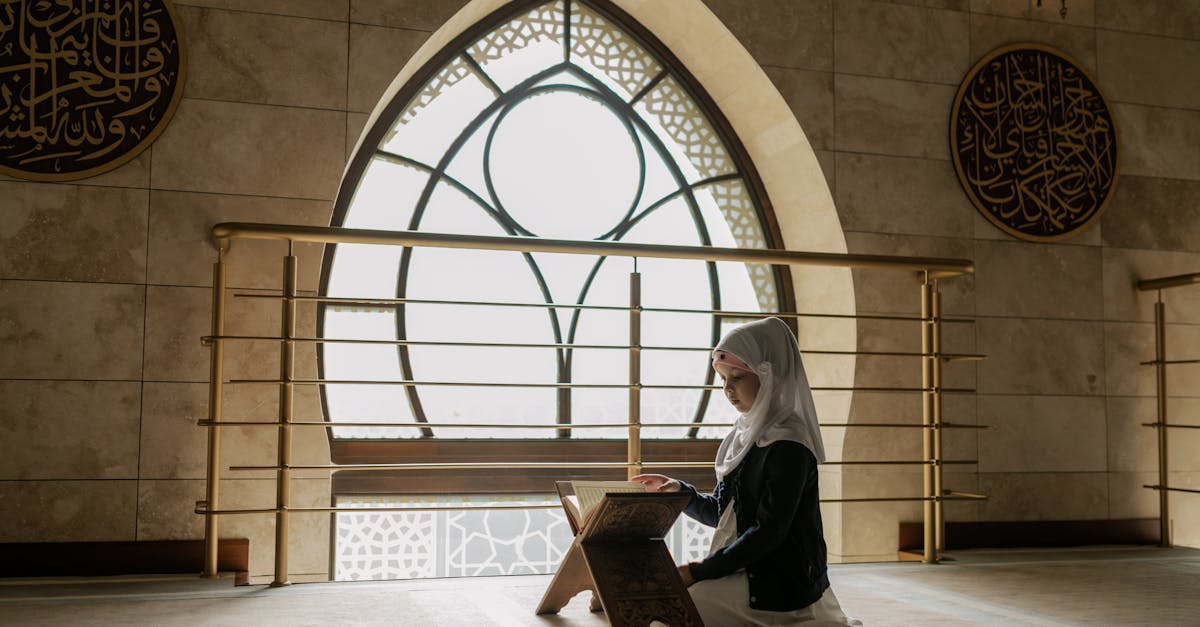
For families in Dearborn, Houston, Minneapolis, Philadelphia, and beyond, our Islamic studies for kids online fill the gap many children face between weekend school and daily life. Kids learn from home with a dedicated tutor, while parents receive regular updates. The result is a child who knows what to say, why it matters, and how to live it.
| Attribute | Details |
|---|---|
| Course | Duas, Aqeedah, Fiqh, Seerah, and Akhlaq |
| Age Group | Children aged 4 to 14 |
| Class Format | Live one-to-one online lessons |
| Session Length | 30 minutes per class |
| Weekly Plan | 2 to 5 classes per week |
| Teachers | Male and female Islamic tutors |
| Materials | Worksheets, dua charts, and quizzes |
How Our Tutors Teach Kids
Every child starts with a friendly assessment to see what they already know. Our Islamic studies syllabus for kids is then arranged by age and level, so a five-year-old begins with simple duas and the Kalimah, while older children explore the Fiqh of Salah and the stories of the Prophets.
Each class follows a clear Islamic studies lesson plan for kids: a short recap, one new topic, an engaging story or example, and a quick review. Tutors ask Islamic studies questions for kids that check understanding, not just memory, so children learn to explain what they believe.
Teaching is visual and interactive. Colorful Islamic studies symbols for kids, such as icons for each pillar and every step of Wudu, help young learners remember sequences. Shared-screen activities, Islamic studies stories for kids, and role play connect every lesson to the child’s own routine at home and school.
Inside Our Islamic Studies Curriculum for Kids
Our Islamic studies program for kids covers both knowledge and practice. Each topic is taught in small, memorable steps, so children understand the basics of Islam and apply them confidently in everyday life.
- Daily basic duas for kids with Arabic, transliteration, meaning, and when to say them
- Tawheed and the Six Articles of Faith explained through stories and simple examples
- Salah, Wudu, and Attahiyat, practiced step by step with patient tutor guidance
- Seerah, Prophet stories, and short Hadith that build love and good character
- Islamic manners, honesty, kindness, and respect for parents, teachers, and neighbors
- Ramadan, Eid, and Hajj lessons timed around the Islamic calendar
Each unit of our Islamic studies for kids curriculum ends with a short Islamic studies quiz for kids, helping tutors measure understanding and helping children feel proud of their progress.
How Kids' Classes Work
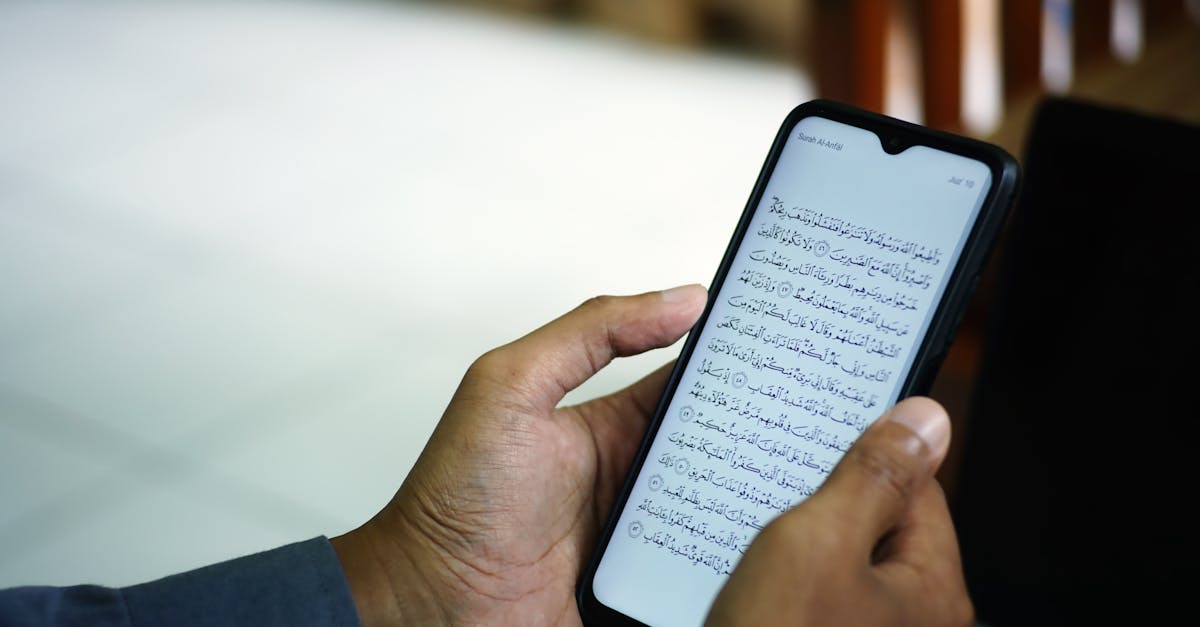
Getting started with kids Islamic studies online is simple. Your child needs a tablet or laptop with a camera, a quiet space, and a parent nearby for the first lesson. We take care of planning, materials, and scheduling.
Tell us about your child. Share your child’s age, current knowledge, and preferred class times. Whether they already pray or are just learning their first dua for kids, we use this to recommend a level, a tutor, and a weekly plan that fits school and family routines.
Join a trial lesson. Our Islamic studies for kids free trial class lets your child meet the tutor, try a short lesson, and answer a few friendly questions. Parents see exactly how classes run and receive a suggested starting point before deciding to enroll.
Learn, practice, and grow. Regular classes follow a personalized Islamic studies for kids lesson plan with the same tutor each week. Short home tasks, such as practicing a dua at dinner, reinforce lessons, and parents receive updates on topics covered and duas memorized.
Classes stay short and engaging, so even young children look forward to their next Islamic study online for kids session.
Growth Parents Can See at Home
The earliest change is usually in daily habits. Children begin saying Bismillah before eating, reciting the dua before sleep, and greeting family with Salam without reminders. Each daily dua for kids becomes a small, natural moment of remembering Allah throughout the day.
Understanding deepens over time. Through Islamic studies for kids Tawheed lessons and the Seerah, children learn not just what Muslims do, but why. They start asking thoughtful questions and connecting stories of the Prophets to their own choices at school and with friends.
Practical worship improves steadily too. Islamic studies for kids Salah lessons teach each position, while Islamic studies for kids Attahiyat practice helps children recite the Tashahhud correctly. Regular Islamic studies for kids Salat sessions then let them pray confidently alongside their parents.
Worksheets and Printable Dua Charts
Learning continues beyond the screen. Families receive Islamic studies for kids worksheets, Islamic studies sheets kids can color and complete, and printable daily duas for kids to keep at home. A kids daily dua chart on the fridge or bedroom wall turns supplication into a visible routine, while each Islamic studies worksheet for kids reinforces the week’s lesson in a fun, low-pressure way.
Stories, Projects, and Quizzes
Children remember what they enjoy. Every Islamic studies for kids story session brings Prophets, companions, and Quranic lessons to life. Older learners tackle Islamic studies project ideas for kids, such as a Hajj journey map or a Ramadan good-deeds tracker, and small researches in Islamic studies for kids topics like the history of Makkah. A regular Islamic studies quiz for kids aged 6-9 keeps younger learners motivated.
Seasonal Lessons for Ramadan and Eid
Our Islamic studies for kids Ramadan program helps children understand fasting, Taraweeh, Laylatul Qadr, and charity in age-appropriate ways. Younger kids set small fasting goals, while older children learn the rulings and spiritual purpose behind Sawm.
Before Eid, tutors teach the Sunnah of the day, the Takbirat, and the importance of Zakat al-Fitr. During Dhul Hijjah, lessons cover Hajj, Qurbani, and the story of Prophet Ibrahim, keeping learning connected to the Islamic calendar.
Seasonal units include Islamic studies activities for kids, such as good-deed calendars and dua journals, along with Islamic social studies for kids that explore Makkah, Madinah, and how Muslims celebrate around the world.
Why Parents Trust Our Kids Islamic Studies Program
Parents searching for the best Islamic studies curriculum for elementary kids want more than facts. They want authentic knowledge, caring teachers, and lessons their children genuinely enjoy. Our approach combines all three, grounded in the Quran and authentic Sunnah.
Authentic, age-appropriate content. Every topic, from Islamic studies for kids Hadith lessons to daily duas, is drawn from the Quran and authentic Sunnah, then simplified for young minds without changing its meaning.
Patient, qualified teachers. Our tutors have backgrounds in Islamic studies and Quran teaching, along with experience working with children. Each Islamic studies class for kids is warm, encouraging, and focused on real understanding.
Easy to combine with Quran. Many families pair this course with Noorani Qaida, Nazra, or Hifz, creating a balanced Islamic study for kids that builds both Quran reading and everyday Islamic knowledge.
Parent Reviews
★★★★★
“My daughters are five and eight, and both look forward to class. The younger one now says her duas before meals and sleep without reminders, and the older one explained Wudu to her cousins last weekend. The dua chart we received is still on our fridge, covered in sticker stars.”
Fatima N. — Mother of two, Houston, TX
“We wanted Islamic studies kids actually enjoy, not another tiring hour after school. The tutor uses stories and quick quizzes, and my son talks about the Prophets at dinner now. He memorized Attahiyat in a few weeks and prays Maghrib with me most evenings, alhamdulillah.”
Kareem B. — Father, Minneapolis, MN
★★★★★
“Our weekend school covered a lot but moved too fast for my son. One-to-one lessons fixed that. His teacher checks what he understands, sends the week’s worksheets, and suggests Islamic study books for kids we can read together at bedtime. The progress updates help me stay involved despite my work schedule.”
Sana M. — Working mom, Washington, DC
★★★★★
“We’re converts, so we’ve been learning alongside our kids. Their teacher explains everything clearly, and the Islamic studies resources for kids she shares have helped our whole family. Our daughter’s favorite part is the Ramadan good-deeds tracker. It’s been a beautiful way to grow in faith together.”
Yusuf and Mariam H. — Parents, Columbus, OH
Talk to Our Kids Program Team
Want to know which topics suit your child’s age, or how Islamic studies online for kids fit around school? Message us for clear answers on levels, timings, tutors, and fees.
Ask for a sample Islamic studies topics for kids list matched to your child’s age.
Parent FAQs
Children can start from around age four with simple duas, Kalimas, and stories. Older kids up to 14 study Fiqh, Seerah, and Aqeedah in more depth, depending on their level.
We begin with Islamic daily duas for kids used every day: before and after eating, sleeping and waking, entering the home, using the bathroom, and asking Allah for knowledge.
Both. Beginners start with the pillars and simple duas, while children with prior learning move into deeper Aqeedah, Fiqh, and Seerah topics suited to their age and understanding.
Yes. Tutors share worksheets, coloring pages, and dua charts after lessons. These short activities reinforce learning without adding heavy homework to your child’s school week.
Lessons mix storytelling, visual aids, games, role play, and a quick quiz for kids about the Islamic study topic of the day, keeping attention high throughout each 30-minute session.
Yes. Many families schedule Islamic studies alongside Noorani Qaida, Nazra, or Hifz. Combining them gives children balanced growth in Quran reading and practical Islamic knowledge.
Yes. Families can choose a male or female tutor. Many parents prefer female teachers for younger children, and we will match you with someone who suits your schedule.
Fees are charged monthly based on the number of classes per week. Contact us for current pricing and sibling arrangements; the first trial lesson is free, with no obligation.
Yes. Parents get regular updates listing topics covered, duas memorized, and quiz results. You are always welcome to sit in on lessons or message the tutor with questions.
Absolutely. Lessons start from the very beginning, explain every term simply, and welcome questions. Many convert and revert families learn alongside their children, which makes the experience meaningful for everyone.
Book your free Quran trial class today and begin learning the Quran from the comfort of your home.
Book Free Trial
Give Your Child a Lifelong Islamic Foundation
The habits children form now often stay with them for life. Our Islamic studies lessons for kids make dua, Salah, and good character feel natural, joyful, and rooted in authentic knowledge. Book a free trial for our Islamic studies for kids course today, and watch your child’s love for Islam grow, one lesson at a time.

