
Quran Online Qirat Course With Qualified Qaris
Elevate Your Recitation Beyond the Basics
Our Quran online Qirat course helps students across the USA refine their recitation and explore the authentic Qiraat with experienced, qualified teachers.
Qirat, also spelled Qiraat or Qyrat, refers to the recognized modes of reciting the Quran, transmitted through unbroken chains back to the Prophet ﷺ. While Tajweed teaches the rules of correct pronunciation, Qirat study builds on that foundation. It covers the narrations of Hafs, Warsh, and Qalun, the differences between them, and the voice control needed to recite beautifully. Our online Qirat course combines both goals: refining your current recitation and opening the door to the classical science of Qiraat.
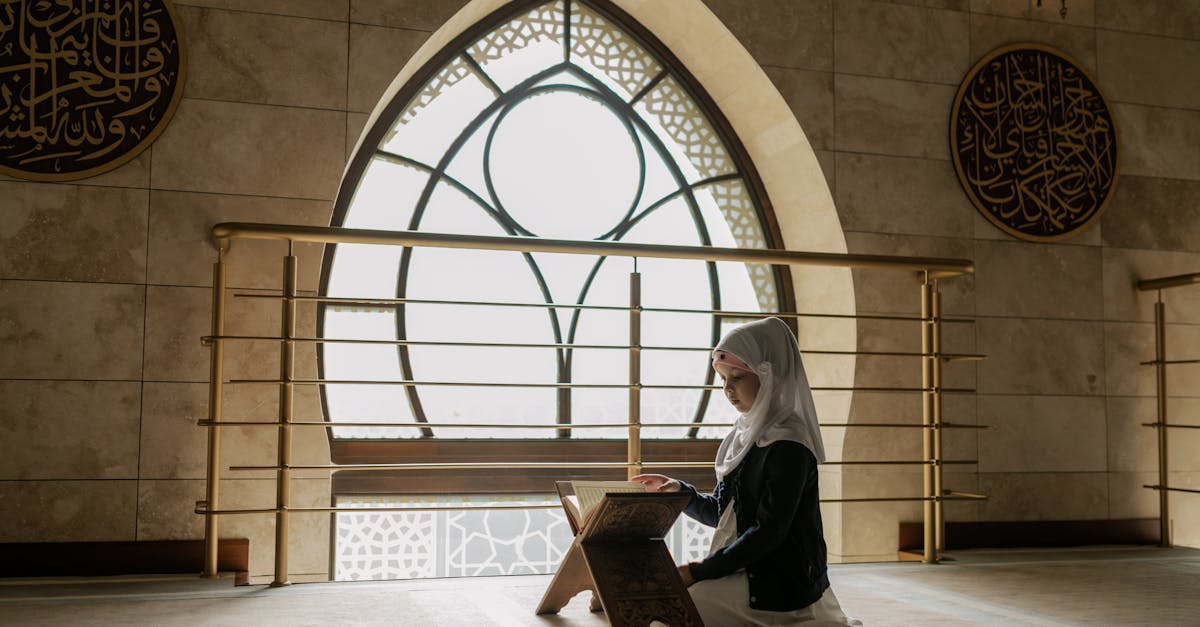
Students in Chicago, Dallas, Washington DC, Los Angeles, and beyond join our live one-to-one lessons from home. Many are Huffaz, Imams, and Quran teachers; others are dedicated adults who want their recitation in Salah to sound clear, measured, and moving. Every lesson is personal, with a Qari listening to each Ayah and correcting it in real time.
| Attribute | Details |
|---|---|
| Course | Recitation refinement and Qiraat studies |
| Prerequisite | Fluent reading with solid Tajweed |
| Suitable For | Teens, adults, Huffaz, Imams, teachers |
| Narrations | Hafs, Warsh, Qalun, and beyond |
| Class Format | Live one-to-one video lessons |
| Teachers | Qualified male and female Qaris |
| Pathway | Seven and Ten Qiraat, toward Ijazah |
How We Teach Qirat
Every student begins with a recitation assessment. The teacher listens for Makharij, Sifaat, Madd lengths, Waqf choices, and overall flow, then decides whether to start with refinement in Hafs or move directly into a second narration. This keeps the course challenging without skipping essential foundations.
Recitation refinement focuses on rhythm, breath control, tone, and consistency, so your recitation sounds measured and beautiful while remaining fully correct. Tutors emphasize Tarteel over performance, ensuring that melody always serves the Quran’s meaning and never overrides the rules of Tajweed.
For students ready for the classical science, lessons cover Usul, the general principles of each reader, and Farsh al-Huroof, the word-specific differences, using recognized texts such as Al-Shatibiyyah. Teachers recite each variation, the student repeats it, and correction continues until the reading is accurate and confident.
What This Qirat Course Covers
This Quran recitation course is built in layers. Students first perfect their recitation in Hafs an Asim, then progress through additional narrations and the principles that distinguish them, always with live correction from a qualified teacher.
- Advanced Makharij and Sifaat review, with precise correction of subtle recitation errors
- Breath control, pacing, and tone development for measured, beautiful Tarteel
- Waqf and Ibtida decisions that preserve meaning across longer passages
- The narrations of Warsh and Qalun an Nafi, with clear comparisons to Hafs
- Usul and Farsh of the Seven Qiraat through Al-Shatibiyyah for advanced students
- A pathway to the Ten Qiraat and Ijazah with Sanad for qualified candidates
Each level ends with a recitation assessment, so progress is measured by how accurately you recite, not simply by how much material you have covered.
How to Learn Qirat of Quran
Many students wonder where to begin with advanced recitation. Our process makes it clear. You need a device with a good microphone, a quiet room, and a commitment to regular practice between your live sessions.
Share your background. Tell us about your Quran reading, Tajweed training, Hifz status, and goals. Whether you want cleaner recitation for leading Salah or a full Qirat course online leading toward Ijazah, this helps us recommend the right level and teacher for you.
Complete a recitation assessment. In a live trial session, a Qari listens to you recite and evaluates accuracy, fluency, and voice control. You receive honest feedback, a recommended starting level, and a realistic plan showing which narrations and texts you will study, and in what order.
Recite, refine, and progress. Regular classes combine teacher recitation, student repetition, and detailed correction. Between sessions, you practice assigned passages and may record yourself for review. Each narration is completed fully before the next begins, keeping your Quran Qirat learning organized and solid.
Consistency matters more than speed in Qirat. Steady practice under supervision is what turns knowledge of the readings into confident recitation.
How Your Recitation Will Change
The first improvements are often in control. Students learn to manage their breath across long Ayat, keep Madd lengths consistent, and maintain a steady rhythm. Recitation in Salah becomes calmer and more measured, and listeners often notice the difference before the student does.
As students study a second narration, their understanding of Hafs deepens too. Comparing readings sharpens attention to small details, such as a single vowel, a hamzah, or a lengthening rule. This precision carries into every recitation, whichever narration is being read.
Timelines vary. Refinement work may take several months, a single additional narration often requires a year or more, and the Seven or Ten Qiraat demand long-term dedication. We give honest guidance on each stage instead of promising shortcuts.
Qirat and Tajweed Explained
Tajweed and Qirat are closely related but not the same. Tajweed is the set of rules for pronouncing the Quran correctly, such as Makharij, Ghunnah, and Madd. Qirat refers to the authentic modes of recitation themselves, each transmitted from a recognized Imam through specific narrators. Every Qirat is recited with Tajweed, which is why strong Tajweed remains the essential foundation before studying any additional reading.
A Clear Learning Pathway
Students follow a defined progression: fluent Quran reading, solid Tajweed, refined recitation in Hafs, an introduction to the Qiraat, then the Seven Qiraat through Al-Shatibiyyah, and the Ten through Al-Durrah or Tayyibat al-Nashr. Qualified candidates may then pursue Ijazah. Knowing the full path helps students set realistic goals and see exactly where each stage leads.
Built for Huffaz, Imams, and Teachers
Huffaz often want to refresh their memorization while improving the quality of their recitation. Studying a second narration also strengthens memory, since every difference demands careful attention to the text they already know.
Imams leading Taraweeh and daily prayers benefit from better breath control, clearer Waqf decisions, and consistent pacing. Classes can be scheduled around Masjid duties, including early mornings and late evenings across all US time zones.
Quran teachers can use this online Qari course to raise their own standard and prepare for Ijazah, giving their students the confidence that comes from learning with a well-trained, properly connected teacher.
Why Students Choose Our Online Qiraat Classes
Advanced recitation requires a teacher you can trust, both in skill and in transmission. We focus on qualified instruction, authentic sources, and honest feedback, so every student knows exactly what they are learning and where it leads.
Qualified teachers with strong backgrounds. Our Qaris are trained in Tajweed and Qiraat, and advanced levels are taught by teachers who hold Ijazah with Sanad in the readings they teach.
Authentic, classical sources. Lessons follow recognized texts and the established scholarly tradition. Variations are taught exactly as transmitted, with no invented styles, so your recitation stays faithful to the authentic readings.
Private and flexible learning. Every class is one-to-one, so the teacher hears each letter. Choose your schedule, teacher gender, and pace, whether you study twice a week or daily.
“I’ve led Taraweeh for years, but breath control on long Ayat was always a struggle. Within a few months, my teacher helped me pace myself properly and make better stopping decisions. Several congregants mentioned the difference this Ramadan, which honestly surprised me.”
Abdullah M. — Masjid Imam, Philadelphia, PA
★★★★★
“I completed Hifz as a teenager and wanted something to deepen my connection with the Quran. Studying Warsh with my teacher has been eye-opening. Every difference forces me to pay closer attention to Hafs too, and my memorization feels stronger than it has in years.”
Hafsa R. — Hafiza, Dearborn, MI
★★★★★
“As a teacher myself, I needed someone more qualified to correct me honestly. My Qari doesn’t let anything slide, whether it’s a slightly short Madd or a weak Qalqalah. We’re now working through the Shatibiyyah slowly and carefully. It’s demanding, but exactly what I was looking for.”
Ibrahim K. — Quran teacher, Austin, TX
★★★★★
“I’m not an Imam or a Hafiza, just someone who wanted my recitation in Salah to sound beautiful and correct. The refinement lessons focus on rhythm and tone without ever compromising Tajweed. My recitation feels calmer now, and I genuinely look forward to praying aloud at home.”
Zahra A. — Working professional, Atlanta, GA
Discuss Your Qirat Goals With Us
Not sure which level fits your recitation? Message our team, and we will help you choose between refinement lessons, a new narration, or advanced Qiraat studies.
Share a short recording of your recitation for faster, more accurate guidance.
Qirat FAQs
Qirat refers to the authentic, recognized ways of reciting the Quran, each transmitted from an Imam through narrators. Hafs an Asim is the most widely recited today, alongside Warsh and others.
Yes. You should read fluently and apply core Tajweed rules accurately. If your foundation needs work, we may recommend our Tajweed course first, so Qirat study builds on solid ground.
No. Hifz is helpful, especially for advanced Qiraat, but it is not required for recitation refinement or introductory narrations. Many adult students study successfully without having memorized the full Quran.
It depends on your goals. Refinement may take several months, one additional narration often takes a year or more, and the Seven or Ten Qiraat require several years of consistent study.
Yes, if you qualify. Ijazah requires reciting to a teacher who holds a Sanad and meeting their standards. Your teacher will assess your readiness honestly when you approach that stage.
Yes, for motivated teens with strong reading and Tajweed. Many begin with recitation refinement and an introduction to Warsh, then progress to advanced Qiraat as their focus and memorization mature.
Yes. Sisters can study with qualified female teachers for both refinement and narration lessons. Mention your preference when booking, and we will match you with a suitable teacher.
Most students attend two to four classes weekly. Imams, Huffaz, and Ijazah candidates often study more frequently, while working adults may begin with two sessions and increase gradually.
Fees are charged monthly and depend on class frequency, session length, and level. Contact us for current pricing; advanced Qiraat and Ijazah preparation may be structured differently.
Yes. Your first session is a trial and recitation assessment, giving you honest feedback and a recommended plan before you commit to the full course.
Recite the Quran With Greater Beauty and Precision
The Quran deserves our very best recitation. Whether you want to refine your Hafs, explore Warsh, or begin the long journey through the Seven and Ten Qiraat, qualified guidance makes all the difference. Book your assessment today and take the next step in your recitation, one carefully corrected Ayah at a time.

