
Tajweed Course (Rules + Practice)
Live 1-to-1 Online Tajweed Program by Al-Khair Online Quran Academy
“And recite the Qur’an with measured recitation.” (Qur’an 73:4)
Many Muslims can read the Qur’an, but still feel unsure about correctness. Some recite fluently yet carry repeated mistakes in pronunciation. Others know a few Tajweed rules but don’t know how to apply them during real Qur’an recitation. And many students have the same experience: they keep reading, but the same errors keep returning, because no one corrected them in a consistent, practical way.
Tajweed is not only “beautifying” recitation. Tajweed is about giving every letter its right, so the Qur’an is recited clearly, respectfully, and accurately. Most Tajweed problems don’t happen because a student is careless. They happen because the student was never trained properly, or learned Tajweed in a rushed way, or practised without teacher correction.
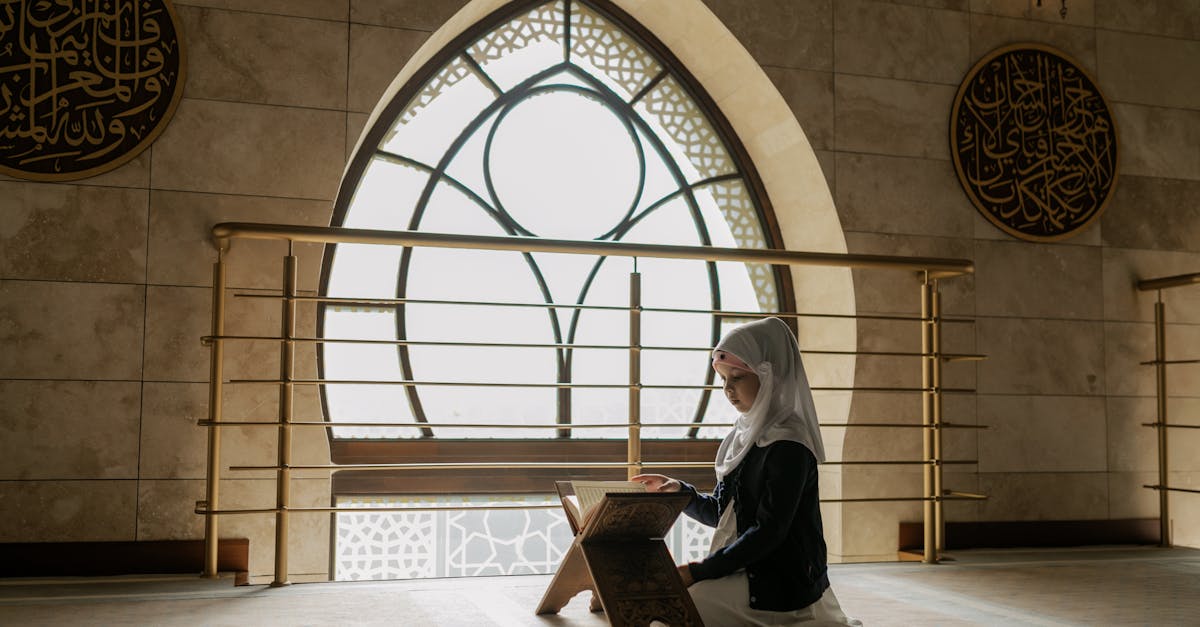
Al-Khair Online Quran Academy provides live, one-to-one Tajweed classes (Rules + Practice) for kids and adults, taught by qualified male and female tutors, with flexible timings worldwide, a free trial assessment, and regular progress monitoring, so students improve calmly and apply Tajweed directly in Qur’an recitation.
“The best among you are those who learn the Qur’an and teach it.” (Sahih al-Bukhari)
Quick Trust & Proof (For Parents & Students)
Al-Khair is positioned as a global online Quran institute serving families in the USA, UK, Canada, Australia, Europe, and beyond.
Your academy also states these proof signals:
5+ Years of Teaching Experience
Students from 10+ Countries
1000+ Satisfied Students
If your goal is to recite the Qur’an correctly and confidently without confusion and without guesswork begin with the free trial assessment and see the teaching style yourself.
Book a Free Trial Tajweed Assessment Class
During the free trial, we focus on clarity. We listen to your recitation, identify the main issues, and recommend a realistic plan. Tajweed improves faster when the student knows exactly what to fix and the teacher guides that fix with step-by-step practice.
| Category | Details |
|---|---|
| Provider | Al-Khair Online Quran Academy |
| Service | Tajweed Course (Rules + Practice) |
| Class Format | Live 1-to-1 sessions |
| Tutors | Male & Female teachers available |
| Availability | Flexible timings worldwide; global audience focus |
| Trial | Free trial booking via admission form |
| Core Focus | Tajweed rules + applied recitation practice (Qur’an-based) |
| Monitoring | Regular progress tracking + repeated-mistake correction |
Who We Are
Al-Khair Online Quran Academy is an online Quran teaching institute focused on making Quran education accessible, structured, and effective for students worldwide. Your stated mission is to help students learn the Qur’an with proper Tajweed through qualified teachers, using one-to-one learning that allows students to learn at their own pace in a supportive environment.
For Tajweed specifically, our responsibility is simple: correct the recitation and build stability. We do not treat Tajweed as a checklist of rules. We treat it as a training process where the student learns the rules in a simple way and then applies them repeatedly under teacher supervision until correct recitation becomes natural.
A student who only “reads more” without correction often repeats the same mistakes. A student who learns rules without practice often knows theory but cannot apply it. Our course is designed to combine both, so improvement is practical and visible.
What We Provide
This Tajweed service is delivered as a complete, teacher-led rules-and-practice program.
Live One-to-One Tajweed Classes
Your classes are positioned as personalised 1-to-1 live sessions, designed so students receive full attention. Tajweed requires close listening. The teacher must hear small details and correct consistently. In one-to-one learning, the tutor can pause the student gently, demonstrate clearly, and guide repetition until improvement becomes stable.
Flexible Timings Worldwide
Your academy highlights flexible timings for families worldwide and a focus on international regions (USA/UK/Canada/Australia/Europe). Tajweed improves through consistent practice, so we help students choose a schedule they can maintain long-term.
Qualified Tutors (Male & Female)
You explicitly offer both male and female Quran tutors, including a comfortable learning environment for sisters and children. For many families and adult learners, this is essential. Students improve faster when they feel respected, comfortable, and confident enough to ask questions.
Regular Progress Monitoring
You include progress monitoring as a key reason families choose you so improvement is real, not just “attendance.” In Tajweed, monitoring includes:
how stable corrected sounds have become
how often repeated mistakes return
whether rules are being applied during live Qur’an recitation
confidence and fluency improvement
whether pace and content should adjust
Start With a Trial + Recitation Level Check
We begin with a clear approach. We listen to the student’s recitation and identify the “main correction zones.” Some students have strong reading but weak rule application. Some students know a few rules but have weak makharij. Others may need foundation strengthening first (Noorani Qaida or reading polish) before deep Tajweed. The trial helps place the student on the correct path, so they do not waste time.
“Allah does not burden a soul beyond what it can bear.” (Qur’an 2:286)
This is why we do not force speed. We build consistency
Who This Program Is For
Tajweed for Kids (Ages 6–14)
Kids learn pronunciation quickly, but they also form habits quickly. If a child learns a wrong sound and repeats it for months, correction becomes harder later. One-to-one Tajweed is powerful for kids because the teacher can listen carefully and correct gently at the exact moment the mistake happens. This is especially helpful for shy children, kids who hesitate, or kids who struggle in group environments where individual correction is limited.
Tajweed for Teens
Teen students often read fluently but lack accuracy. They may read quickly, but their letters are not clear, or they apply rules inconsistently. Tajweed helps them slow down correctly and apply rules with understanding. It also builds confidence because when a teen knows they are reciting correctly, they recite with more peace.

Tajweed for Adults
Adults often want Tajweed because they genuinely want to recite Allah’s words correctly. Many adults feel embarrassed about mistakes, especially if they have been reading for years. One-to-one learning gives adults a private, calm environment where they can ask questions freely, practise without pressure, and improve step-by-step.
Students Who Already Read Qur’an but Want Correctness
Many students can read well, but they know they are not reading “clean.” They feel unsure about madd lengths, ghunnah, qalqalah, laam/raa heaviness, and stopping rules. This program is ideal for those students because it turns uncertainty into clarity rules are explained and applied directly during recitation.
Students Restarting Tajweed After a Gap
Some students learned Tajweed earlier but stopped practising. With time, rules become unclear and mistakes return. This course helps them rebuild stability through guided practice and correction.
Why Tajweed Requires Both Rules and Practice
“And recite the Qur’an with measured recitation.” (Qur’an 73:4)
Some students try to learn Tajweed by reading rules online. Others listen to famous reciters and copy their sound. Both can help, but both have limits. Tajweed becomes strong when the student understands the rule and then practises it consistently with teacher correction.
Many Tajweed mistakes happen because the student never learned the “why.” They were corrected once, but not repeatedly. Or they learned a rule, but never practised it enough for it to become natural. Tajweed is tongue training. The student needs:
clear explanation
live correction
repeat practice
revision and reinforcement
honest feedback
Without practice, rules stay in the mind but not in the recitation. Without rules, the student may copy sound but still misunderstand what is happening. When both are combined, Tajweed becomes stable.
“Indeed, this Qur’an has been revealed in a clear Arabic language.” (Qur’an 26:195)
Arabic letters are precise sounds. Tajweed protects those sounds and protects meaning.
Accuracy first. Fluency follows.
Our Tajweed Method (Rules + Applied Recitation)
This program is built around understanding and application.
Rules (Theory)
We teach Tajweed rules in simple language. We do not overwhelm the student with hard terms without explanation. The goal is understanding what the rule means, when it applies, and what changes in the mouth or nose when the rule is applied.
Practice (Applied Recitation)
Every rule is practised in live recitation. The student reads from the Qur’an (or selected practice passages when needed), and the teacher corrects in real time. The student repeats until correction becomes stable.
Mistake Tracking
We pay attention to repeated mistake patterns. Many students repeat the same 3–7 mistakes again and again in different verses. When those patterns are corrected, recitation improves quickly and noticeably.
Revision System
Tajweed improves through repetition. We revise rules and practise regularly so the student does not forget what they learned. The goal is not only to “finish” rules the goal is to keep the rules alive inside the recitation.
Class Duration, Schedule, and Practice Routine (Clear Expectations)
One major reason students succeed in Tajweed is routine. In our online system, we guide students toward a schedule they can maintain.
Class Duration
Your website packages show 30-minute live sessions. This duration works well because it keeps the student focused and allows consistent progress without overload.
Recommended Schedule Options
Some students improve well with 3 days a week. Others want faster improvement with 5 days a week. The best schedule is the one you can maintain consistently.
Daily Home Practice (Short but Powerful)
Tajweed does not require hours. A small daily routine makes a big difference. Many students benefit from 8–12 minutes daily practice, such as:
reading a short passage slowly
repeating a corrected letter sound
practising a specific rule with examples
reciting yesterday’s corrected lines again
When the student does small daily practice, teacher correction becomes stronger and long-term improvement increases.
Course Roadmap (Levels)
This program is personalised based on the trial assessment, but the learning journey generally follows a clear roadmap. This helps students understand where they are and what comes next.
Level 1: Pronunciation Foundation (Makharij + Clear Letters)
At this stage, we focus on letter sounds, common confusion, and clarity. Many Tajweed issues disappear when makharij becomes stable. Students also learn how to slow down correctly without fear.
Level 2: Core Rules (Noon/Meem Rules + Ghunnah)
Students learn and practise key rules like izhar, idgham, iqlab, ikhfa, and meem rules. Practice is done inside Qur’an recitation so rules become natural.
Level 3: Flow Control (Madd + Qalqalah + Heavy/Light Rules)
This stage improves the “sound” of recitation. Students learn madd control, qalqalah clarity, and how to apply tafkheem/tarqeeq (heavy/light) especially for Laam and Raa.
Level 4: Qur’an Application (Waqf/Ibtida + Real Recitation Confidence)
Students learn stopping and starting correctly and apply everything in longer recitation. This is where Tajweed feels complete: not as scattered rules, but as a stable habit.
Some students move quickly through early levels; others need extra time. The goal is stability, not rushing.
Learning Outcomes (What You Can Expect)
A leading Tajweed program must be clear about outcomes. While every student’s speed differs, this course aims to build:
Clear Makharij (Articulation Points)
Students learn to produce letters correctly and reduce common letter confusion, especially for non-Arabic speakers.
Better Rule Application During Real Recitation
Students don’t just “know” rules; they apply them in Qur’an reading naturally.
Stronger Ghunnah and Madd Control
Many students either exaggerate or weaken these rules. We aim for balance and correctness.
Cleaner, More Confident Recitation
When mistakes reduce, confidence increases. Students feel more comfortable reciting aloud.
Better Stopping and Starting (Waqf & Ibtida)
Students learn where to stop and how to continue without breaking meaning.
Reduction of Repeated Mistakes Over Time
This is a major goal. Tajweed progress shows when repeated errors reduce consistently.
How Our Online Tajweed Classes Work
Your academy presents its teaching as student-friendly and one-to-one, using modern online tools. We apply that approach to Tajweed through a consistent class flow.
The session begins with revision of previous learning and a short recitation warm-up. Then the teacher introduces a new rule or focuses on a correction zone from the student’s recitation. The student reads aloud and the teacher listens carefully. Corrections are made clearly and gently so the student understands what to change and how to repeat it correctly.
We do not rush students. We build stability. Tajweed should feel structured, not stressful.
Class Rhythm (What Students Experience)
correction is part of learning, not embarrassment. They know the teacher will guide slowly when needed. This removes anxiety and builds discipline.
Online Tools
We teach using standard online methods (Zoom/Skype/Meet, depending on what you offer). The key is not the app. The key is the teacher’s ability to listen and correct accurately in real time.
Enrollment Path (Clear & Simple)
Book a free trial.
Select “Tajweed Course (Rules + Practice)” in the form.
Attend a teacher-led trial session with correction audit.
Continue with the plan that fits your schedule and goals.
What We Teach (Core Tajweed Areas Covered)
This course is structured, but always practice-based. Core areas include:
Makharij (Articulation Points) and Sifaat (Letter Characteristics)
Many students know letters visually but do not produce them correctly. We focus on sound training, not only recognition.
Noon Saakin and Tanween Rules
Izhar, Idgham, Iqlab, Ikhfa are taught with simple examples and applied in Qur’an recitation.
Meem Saakin Rules
Ikhfa Shafawi, Idgham Shafawi, Izhar Shafawi are practised in live recitation.
Madd Rules
Natural madd and extended madd types are taught with practical length control. Students learn “how long” without confusion.
Ghunnah (Nasal Sound)
Students learn correct ghunnah not too light and not exaggerated.
Qalqalah
Students learn echo letters and how to apply qalqalah correctly in stop positions and within words.
Rules of Laam and Raa
Heavy/light rules are corrected with repetition so students develop stable control.
Waqf and Ibtida (Stopping and Starting)
Students learn safe stopping points and how to restart properly.
Common Mistake Correction
We correct based on the student’s personal patterns. This makes improvement faster and more realistic.
If a student is already reading Qur’an, we apply rules directly in Qur’an. If the student needs foundation strengthening, we use targeted practice to build stability first.
Common Tajweed Mistakes We Help Fix (Practical Focus)
Many students feel confused because they don’t know what exactly is wrong. This course helps by identifying the common recurring areas that create most problems.
Some common areas include:
letters that sound similar in non-Arabic languages
weak articulation of throat letters
over-shortening or over-lengthening madd
ghunnah missing or exaggerated
qalqalah being too hard or too soft
heavy/light confusion (especially Raa and Laam)
stopping in a way that breaks meaning
rushing due to nervousness
The goal is not to judge mistakes. The goal is to correct them kindly and consistently until the student’s tongue becomes trained.
Makharij and Pronunciation Correction
This is the difference between “reading Qur’an” and “reciting Qur’an correctly.”
Your tutors are described as experienced and trained to teach children and new learners in one-to-one sessions, covering Noorani Qaida, Tajweed, Hifz, and Islamic basics. That matters because Tajweed requires close listening and consistent correction.
In one-to-one learning, the tutor can identify patterns. If a student confuses similar letters, the tutor stops and rebuilds the sound carefully. If a student struggles with heavy/light letters, the tutor demonstrates clearly and guides repetition. When the tongue is trained gradually, the Qur’an becomes easier and cleaner over time.
Tajweed is where we train the tongue so the Qur’an becomes smoother, clearer, and more confident.
Progress Monitoring and Honest Improvement Tracking
Your academy includes progress monitoring among the reasons families choose you. Tajweed monitoring focuses on real indicators:
stability of corrected sounds
reduction of repeated errors
improvement in rule application during live recitation
confidence and smoother reading flow
better stopping and starting decisions
teacher feedback and student understanding
We do not move forward simply because time passed. We move forward when the student is stable.
Personalized Plan (Assessment-Based Tajweed Roadmap)
This is one of the key “leading institute” upgrades: the plan must fit the student.
In our system, we build a plan around:
student level and fluency
pronunciation correction needs
available weekly schedule
student goal (basic correctness or deeper Tajweed mastery)
revision needs and pace
Some students need more time on makharij before moving to advanced rules. Others can move faster because their reading foundation is strong. A successful Tajweed journey is not about a fixed timeline; it is about consistent improvement.
Teachers, Safety, and Trust Standards
Qualified Tutors (Male & Female)
Your Teachers page states you provide certified male and female Quran teachers and highlight that they are trained to teach kids, adults, and new learners through one-to-one online classes.
Professional Learning Environment
Your homepage emphasises a safe, high-quality learning environment where teachers focus on one student at a time to ensure they learn correctly.
Child-Friendly Teaching Approach
For children, teaching is not only about knowledge, it is about emotional safety. A harsh environment makes children dislike learning. A respectful environment makes them eager to improve. We encourage calm correction, consistent repetition, and positive reinforcement.
Reviews
Policies (Reschedule, Attendance, Refund, Privacy)
To position your academy as a leading institute, clarity on policies builds trust. Here is a policy-style section you can publish (adjust as per your actual rules):
Rescheduling Policy
If a student misses a class, families may request rescheduling by informing the support team in advance. We encourage planned rescheduling because Tajweed improves through routine.
Attendance & Consistency
Tajweed requires repetition. Regular attendance is strongly recommended. If a student frequently misses classes, improvement becomes slow and unstable. Our teachers can guide families to choose a more realistic schedule if needed.
Refund / Cancellation
If a family chooses to stop after enrollment, they can contact support for guidance on next steps. (You can add your exact refund eligibility rules here clearly.)
Student Privacy & Respect
Classes are conducted with respect and professionalism. Parents may supervise children during class if they prefer. Teacher-student interaction remains focused on learning and adab.
Frequently Asked Questions (FAQs)
Yes. Your academy offers a free trial booking via the admission form. The trial includes a recitation level check and a recommended plan.
Your academy positions its teaching as personalised one-to-one live sessions.
Yes. You offer male and female tutors, and your teachers page describes a respectful environment for sisters and children.
Yes. You advertise flexible timings worldwide and serve families internationally.
Many children start after they deve
This course includes both. We teach rules in simple language and apply them directly in live recitation.
lop basic reading fluency. Readiness matters more than age. During the trial, we assess whether the student is ready for Hifz or needs foundation strengthening first.
It depends on your current level, consistency, and goals. Some students improve quickly in key areas, while others need more time to train pronunciation. The best measure is steady improvement.
That’s exactly why one-to-one classes help. Adults and teens can learn privately and calmly without pressure.
No. We focus on readiness and correctness. Tajweed should be stable, not rushed.
That is normal. Some students need more repetition to build stable pronunciation. We guide with patience.
Yes, but it depends on your level. During the trial we assess whether you need foundation improvement first or can start Tajweed directly.
Yes. Makharij correction is a core part of Tajweed. Many improvements come from fixing pronunciation early.
Yes. We apply rules through practice, often directly in Qur’an recitation, so Tajweed becomes natural.
Start Tajweed With Confidence
Tajweed should not feel confusing. It should feel structured, calm, and meaningful because it is the Qur’an. If you want a one-to-one Tajweed program built around correctness, patience, and real teacher attention, begin with the free trial assessment.

