Al-Khair Online Quran Academy

Muhammad Azhar

Beautiful Quran with intricate Arabic calligraphy on a textured prayer rug.

Online Quran Classes in USA (Major Cities) | Free Trial

Ramadan is one of the best times to reset your Quran goals, because your day naturally revolves around worship, reflection, and better habits. If you’re in the USA and you want a consistent Quran routine from home (without commuting or struggling with fixed schedules), online Quran classes in the USA can be a practical and structured solution.

Whether you’re in the San Francisco Bay Area, Atlanta, Washington DC, or anywhere else, the real need is the same: a teacher who corrects your recitation, a plan that matches your level, and timings that fit your time zone.

Why Online Quran Learning Works So Well in the USA

In the USA, many families juggle work schedules, school routines, sports/activities, and most importantly time zones. Even when local options exist, consistency can become the biggest challenge because of:

Travel and traffic: classes feel harder to maintain long-term.
Fixed schedules: don’t always match working parents’ routines.
Seasonal disruption: weather, travel, or family events can break momentum.

Online learning works best when it’s built around three things:

  1. consistency (a routine you can keep),
  2. live correction (so mistakes don’t become habits), and
  3. clear progress tracking (so you know what’s improving).

“You don’t need extreme intensity, just a consistent plan that keeps moving forward.”

What You Can Learn in Online Quran Classes (USA)

A strong online program doesn’t force everyone into the same track. It supports different starting levels and goals.

Quran Reading (Beginner to Fluent)

If you’re rebuilding or starting from basics, the focus is:

  • letter sounds and joining
  • smooth reading flow
  • confidence through repetition and correction

Tajweed (Practical Pronunciation Improvement)

Many learners can read but want to read correctly. Tajweed lessons focus on:

  • articulation (makharij)
  • clarity and consistency
  • applying rules during live recitation (not just theory)

Hifz Support (If Memorization is Your Goal)

Memorization improves faster with a routine that includes:

  • new memorization targets
  • structured revision
  • correction so errors don’t “lock in”

Reflection & Understanding (Optional)

Adults often prefer short, practical guidance:

  • key meanings and vocabulary
  • brief verse reflection (especially in Ramadan)
  • a simple plan for spiritual consistency

How Online Quran Classes Work (A Simple Structure)

1) Free Trial + Level Check

The first session usually checks:

  • reading accuracy and fluency
  • pronunciation patterns
  • confidence and pace

2) Teacher Matching

A good match depends on:

  • age (kids/adults)
  • focus (reading/Tajweed/Hifz)
  • learning pace
  • schedule within your time zone

3) Weekly Routine + Tracking

The best routine is:

  • fixed weekly slots
  • small targets per week
  • short revision plan for non-class days

This is what makes online learning “managed” instead of random.

ET/CT/MT/PT: USA Time Zone Scheduling That Fits Real Life

Time zones are the biggest USA localization point so scheduling needs to be clear and flexible. Here’s what typically works:

Student TypeETCTMTPT
Kids (after school)4:30–7:00 PM3:30–6:00 PM2:30–5:00 PM1:30–4:00 PM
Teens6:00–9:00 PM5:00–8:00 PM4:00–7:00 PM3:00–6:00 PM
Adults (after work)7:00–10:00 PM6:00–9:00 PM5:00–8:00 PM4:00–7:00 PM
WeekendsLate morningLate morningLate morningLate morning

USA Pricing Note (Required)

Plans are billed in USD, and pricing usually depends on class frequency (3/4/5 days), class type (1-to-1 vs small group), and the student’s level. During the trial, we recommend a plan that fits your schedule and goals especially for Ramadan.

Ramadan-Friendly Timings (USA) Without Burnout

Ramadan routines in the USA vary depending on work schedules, school, and Taraweeh timings. A realistic plan is better than a perfect plan.

Option A: Light & Consistent (Most Families)

  • 3–4 classes/week
  • short daily recitation (10–15 minutes)
  • light revision after salah

Option B: Ramadan Boost (Faster Progress)

  • 5 classes/week
  • extra Tajweed focus 1–2 days
Ramadan momentSmall action that works
Before work/school10 minutes recitation
Late afternoonclass (30–45 minutes)
After Taraweeh5–10 minutes revision

Want the best Ramadan schedule for your time zone?
Book a Ramadan Trial and we’ll suggest a routine that fits your day.

Serving Families Across the USA (Major Cities)

Our online Quran classes are designed for families across the USA, including learners from New York City, New Jersey, Chicago, Houston, Dallas, Los Angeles, the San Francisco Bay Area, Atlanta, Washington DC, and Seattle, and beyond. The main advantage is simple: your learning quality shouldn’t depend on your location.

Online vs In-Person Quran Classes (USA Comparison)

FeatureOnline Quran ClassesIn-person classes
Travel timenoneoften required
Schedule flexibilityhighusually fixed
1-to-1 attentionavailablevaries
Consistencystrongcan break easily
Parent visibilityeasylimited

FAQs (USA)

Do you offer timings in ET/CT/MT/PT?
Yes. Time-zone scheduling is built into the routine.

Is this suitable for complete beginners?
Yes. Beginners start step-by-step and build comfort before moving forward.

Can adults join too?
Absolutely. Evening slots are popular for working adults.

Do you help with Tajweed correction?
Yes, with live correction during recitation.

Are prices in USD?
Yes, billing is typically in USD.

Online Quran Classes in USA (Major Cities) | Free Trial Read More »

Ramadan Calendar 2026: Sehri & Iftar Times, Daily Duas, and a Practical Ramadan Plan

Ramadan is not only a month on the calendar; it is a season of the heart. In a world that pulls our attention in a thousand directions, Ramadan arrives like a gentle call back to purpose, back to Allah, back to the Qur’an, back to our families, and back to our own souls. Allah tells us the purpose of fasting in the Qur’an: “O believers! Fasting is prescribed for you, as it was prescribed for those before you so perhaps you will become mindful of Allah.” (Qur’an 2:183).

That mindfulness (taqwa) is the destination. A Ramadan calendar is simply a tool to help us reach it day by day, salah by salah, page by page. When you know your Sehri time, your Iftar time, and you have a small plan for Qur’an and dua, your Ramadan becomes calmer, more focused, and more meaningful.

This guide is written as a complete “original” Ramadan calendar blog: it includes Sehri and Iftar timings, essential duas for Suhoor and Iftar, authentic ahadith about fasting, and a practical routine that you can actually follow for 29/30 days. Since Ramadan begins and ends with moon sighting, dates can vary by one day depending on announcements. Always confirm with your local masjid, but this calendar is a strong reference and planning tool.

Why a Ramadan Calendar Helps You Stay Consistent

Most people don’t fail Ramadan because they don’t love it. They struggle because they don’t plan it. Without structure, the days pass quickly, Sehri comes, then work/school, then tiredness, then Iftar, then sleep, and suddenly a whole week is gone. A good Ramadan calendar helps you protect what matters most: prayer on time, Qur’an every day, duas before Iftar, and good deeds consistently.

The Prophet ﷺ gave us powerful motivation: “Whoever fasts Ramadan out of faith and in the hope of reward, he will be forgiven his previous sins.” (Sunan an-Nasa’i 2204).
This hadith teaches that fasting is not only hunger and thirst; it is a sincere act done for Allah, expecting reward. A calendar helps you keep that intention alive because every day you return to your purpose again.

Ramadan Calendar 2026 (Sehri & Iftar Time) — Hanafi

Below are Sehri & Iftar timings (Hanafi/Sunni) for Ramadan 2026. These are widely published timings; small variations can occur due to calculation method, so still verify locally.

The Sunnah of Suhoor (Sehri): A Source of Barakah

Suhoor is not “just a meal.” It is a Sunnah that carries blessing. The Prophet ﷺ said: “The difference between our fasting and the fasting of the People of the Book is the meal of Suhoor.” (Sahih Muslim 1096a).
Even if you only have water and dates, do not skip it without a reason. Make a simple intention, eat lightly, drink water, and prepare your heart for Fajr.

A beautiful goal is to protect Fajr every day of Ramadan. If Suhoor makes you sleepy and you miss Fajr, then Suhoor needs to be simpler. In Ramadan, a small change in routine can unlock a huge change in worship.

The Best Time for Dua: Just Before Iftar

One of the most neglected treasures of Ramadan is the few minutes before Maghrib. At that moment, your heart is soft, your hunger is real, and your dependence on Allah is clear. The Prophet ﷺ taught: “There are three whose supplication is not rejected: the fasting person when he breaks his fast, the just leader, and the supplication of the oppressed.” (Jami` at-Tirmidhi 3598).
So make this a daily habit: sit calmly 5–10 minutes before Iftar, raise your hands, and ask Allah sincerely. Ask for forgiveness, guidance, barakah, and success in both worlds.

Duas for Iftar (With Arabic + Meaning)

Here are two short and widely used duas:

1) Dua at Iftar (common wording):
اللَّهُمَّ لَكَ صُمْتُ وَعَلَى رِزْقِكَ أَفْطَرْتُ
Transliteration: Allahumma laka sumtu wa ‘ala rizqika aftartu
Meaning: O Allah, for You I have fasted, and with Your provision I break my fast.

2) Dua after breaking the fast:
ذَهَبَ الظَّمَأُ وَابْتَلَّتِ الْعُرُوقُ وَثَبَتَ الْأَجْرُ إِنْ شَاءَ اللَّهُ
Transliteration: Dhahabaẓ-ẓama’, wabtallati ’l-‘urūq, wa thabata ’l-ajru in shā’ Allāh
Meaning: The thirst is gone, the veins are moistened, and the reward is confirmed, if Allah wills.

A Powerful Hadith That Explains the Value of Fasting

Fasting is special because it is sincere and hidden. The Prophet ﷺ narrated from Allah: “Every good deed of Adam’s son is for him except fasting; it is for Me, and I shall reward for it.” (Sahih al-Bukhari 5927).
Think about this: your hunger is not wasted. Your thirst is not wasted. Even when no one sees you, Allah sees you. That’s why Ramadan trains sincerity more than any other month.

A simple quote to remember in Ramadan is: “Don’t let your fast be only hunger.” The true fast includes controlling the tongue, lowering the gaze, and keeping the heart soft. A calendar helps with timing, but taqwa completes the worship.

A Simple Daily Ramadan Routine That Actually Works

Many people make huge goals and then feel guilty when they can’t maintain them. Here is a realistic routine that works for students, workers, and families.

After Suhoor and Fajr, try to read even 2 pages of Qur’an. Small daily Qur’an is better than a strong start and weak finish. During the day, protect your prayers and keep your tongue safe. Before Iftar, make dua. After Iftar, pray Maghrib, then eat calmly. At night, pray Isha and Taraweeh as much as you can, and read a little more Qur’an before sleeping.

If you do this consistently, you will feel Ramadan change you from the inside.

Qur’an Reading Plan for Ramadan (Without Burnout)

If you want to complete the Qur’an in Ramadan, the classic plan is 1 Juz per day. You can split it into small portions after prayers. If that feels heavy, do 10 pages daily, or even 2 pages after each salah. The real goal is connection, not pressure.

Remember: Ramadan is not only about finishing; it is about understanding and improving recitation. If you struggle with Tajweed, this month is the best time to start learning properly, because your heart is already attached to the Qur’an.

Ramadan for Kids and Families

If you want children to love Ramadan, the home must feel peaceful and purposeful. Let children participate. Let them set the dates and water for Iftar. Teach them a short dua. Give them a small reward chart for salah and good deeds. Even if they cannot fast fully, they can fast for a few hours and still feel included.

When Ramadan becomes a family memory of love, it becomes a lifelong habit.

Final Reminder: Don’t Quit If You Miss a Day

Some days you will be tired. Some days you will miss your Qur’an target. Do not let guilt destroy the rest of Ramadan. Restart the next moment. Ramadan is a marathon. Consistency wins.

Download Your Ramadan Timetable + Duas PDF

To make this easy for you, I created a printable PDF that includes:

  • Full Sehri & Iftar Timetable (30 days)
  • Iftar duas + dua after breaking fast
  • Clean printable A4 layout

Ramadan Timetable + Duas PDF

May Allah accept your fasting, forgive your sins, and make this Ramadan your best one. Ameen.

Ramadan Calendar 2026: Sehri & Iftar Times, Daily Duas, and a Practical Ramadan Plan Read More »

What to Do in Laylatul Qadr: Quran, Dua, and a 1-Hour Night Plan

Daily Ramadan duʿā routine, authentic supplications, and the best times for duʿā, plus a simple plan for families.

Ramadan is the month when we fast, pray, and reconnect with the Qur’an. But for many people, the most meaningful part of Ramadan is not the schedule, it’s the duʿā. When the heart is quieter, when the appetite is controlled, and when the nights feel different, duʿā becomes more sincere.

Still, a common struggle remains: people want “the best Ramadan duas” and a clear daily routine, but they get overwhelmed by long lists, conflicting wording, and unclear authenticity.

This guide is designed to feel simple and trustworthy. You’ll find:

  • The best times to make duʿā in Ramadan (and why they matter)
  • Daily Ramadan duas with meaning
  • Authentic iftar duʿā and Laylatul Qadr duʿā with reliable references
  • A repeatable daily routine that fits modern family life
  • A short section at the end for parents who want children to learn Qur’an and daily duʿās this Ramadan

Ramadan Duʿā Keywords People Search (and what they actually mean)

Before we begin, here are some of the most common “Ramadan duʿā” searches people make, so you know this guide covers real intent:

  • Best Ramadan duas / daily Ramadan duas
  • Dua for iftar / dua when breaking fast
  • Dua before iftar / dua at time of iftar
  • Laylatul Qadr dua / dua for last 10 nights
  • Ramadan dua for forgiveness / istighfar dua
  • Ramadan dua for family / kids dua in Ramadan
  • When to make dua in Ramadan

You’ll see these topics covered naturally inside the blog (without keyword stuffing).

Why Duʿā in Ramadan Feels More Powerful

Duʿā is worship. It isn’t only “asking for things.” It includes:

  • praising Allah
  • admitting weakness
  • seeking forgiveness
  • asking for guidance
  • begging for steadfastness
  • asking for barakah in family and life

Ramadan makes duʿā easier because fasting reduces distractions and softens the heart. If you’ve ever felt your duʿā become more emotional in Ramadan, that’s not unusual Ramadan changes the inner environment.


The Best Times to Make Duʿā in Ramadan

You don’t need to make duʿā “all day” to feel the impact. You only need to focus on high-value moments times that naturally create humility and sincerity.

1) The Last Third of the Night (Tahajjud Time)

One of the most powerful times to ask Allah is the end of the night. The Prophet ﷺ described that Allah calls His servants to ask, seek, and seek forgiveness.
This is why even 2 short rakʿahs of Tahajjud during Ramadan can transform your relationship with duʿā.

Practical note: If Tahajjud feels difficult, don’t aim for long. Aim for consistent. Two rakʿahs + one sincere duʿā repeated daily is better than an ambitious routine that disappears after a week.

2) At the Time of Iftār (Breaking the Fast)

There is a clear encouragement in hadith regarding the fasting person’s duʿā at the moment of breaking fast. In Sunan Ibn Mājah, it is narrated that when the fasting person breaks the fast, the supplication is not turned back.

This is why the last minutes before Maghrib are valuable. Many people waste them on the kitchen, the phone, or arguments. But spiritually, it’s one of the most hopeful moments of the day.

3) After the Obligatory Prayers

If you want a habit that lasts beyond Ramadan, link duʿā to something that is already stable: the five daily prayers. Even if you only make duʿā for 60 seconds after each prayer, you’ll become a person of duʿā.


The Best Ramadan Duas (Daily)

Below are the core daily duas. To reduce confusion, I’m presenting them in two styles:

  • Style A (2–3 duas): clear English wording first, then Arabic
  • Style B (rest): Arabic first, then meaning

This way the reader doesn’t feel overwhelmed.


1) Dua at Iftār (When Breaking the Fast)

This is among the most well-known authentic supplications reported for when breaking the fast.

The duʿā (clear English wording)

“Thirst has gone, the veins are moistened, and the reward is assured, if Allah wills.”

Arabic

ذَهَبَ الظَّمَأُ وَابْتَلَّتِ الْعُرُوقُ وَثَبَتَ الأَجْرُ إِنْ شَاءَ اللَّهُ

Transliteration

Dhahaba al-ẓama’u, wabtallati al-ʿurūq, wa thabata al-ajru in shā’Allāh.

When to recite

Recite it as you break the fast (at the first sip/date).

Why this duʿā is powerful

It carries three deep meanings in one sentence:

  • gratitude (thirst is gone)
  • mercy (strength returns)
  • certainty (reward is with Allah)

Authenticity note (important for trust): Scholars have discussed this narration positively; it is cited in Abu Dawud (2357), and its chain is discussed as sound by scholars (as referenced in scholarly summaries).

2) Dua for Laylatul Qadr (Last Ten Nights)

This is the duʿā the Prophet ﷺ taught ʿĀ’ishah (رضي الله عنها) for the Night of Decree.

The duʿā (clear English wording)

“O Allah, You are Pardoning and Generous; You love to pardon, so pardon me.”

Arabic

اللَّهُمَّ إِنَّكَ عَفُوٌّ كَرِيمٌ تُحِبُّ الْعَفْوَ فَاعْفُ عَنِّي

Transliteration

Allāhumma innaka ʿafuwwun karīmun tuḥibbul-ʿafwa faʿfu ʿannī.

When to recite

  • Throughout Ramadan (anytime)
  • Especially in the last ten nights, in prayer, after Tarāwīḥ, and in Tahajjud

Why this duʿā is the heart of Ramadan

Because Ramadan is not only about increasing worship, it’s about leaving the month forgiven. This duʿā directly aims at the goal of purification.


3) A Qur’anic “All-In-One” Duā (Dunyā + Ākhirah)

This Qur’anic duʿā is among the most comprehensive.

There are nights in life you don’t forget. Not because something loud happened, but because something inside you finally became quiet enough to listen.

The last ten nights of Ramadan feel like that for many of us. The days have tested our patience, our schedules, our temper, our screen time, our willpower. We started Ramadan with a strong heart, but somewhere in the middle we got tired. Work kept coming. Kids kept needing it. Deadlines didn’t pause. Family commitments didn’t disappear. And then the last ten nights arrive, and we realize something uncomfortable: we want Laylatul Qadr, but we don’t know how to show up for it in a way that feels real.

Some people think they need to do “a lot” to benefit from Laylatul Qadr. They imagine long hours, long recitations, perfect focus, perfect energy, perfect everything. But the sunnah teaches us something far more hopeful: what matters is sincerity, consistency, and worship done with presence.

Laylatul Qadr is not a night for spiritual performance. It’s a night for returning. A night for forgiveness. A night for rebuilding the relationship that our distractions slowly weaken.

Allah reminds us in Surah Al-Qadr that this night is extraordinary: “The Night of Decree is better than a thousand months.”
Better than a lifetime of ordinary nights. Better than the months we spend scrolling, worrying, delaying repentance, postponing Qur’an, hoping we’ll become “better” someday. Laylatul Qadr is the night Allah gives you a doorway, so you don’t have to stay stuck in who you were.

This guide is designed for real people with real schedules. You’ll get a clear plan for a one-hour Laylatul Qadr night routine built around Qur’an, dua, and salah—plus a “minimum plan” for nights when you’re exhausted, and a family version for parents who want to include children without burnout. It is also written to help you rank for the exact search intent people have right now (what to do, best plan, last ten nights routine, dua for Laylatul Qadr), while still being conversion-focused for online Qur’an learning.

And if you want support, guidance, and correction in your recitation during these nights, this is also the perfect moment to start with Alkhair Online Quran Academy through a free trial—because worship becomes sweeter when you can recite correctly and confidently.

Laylatul Qadr: What We Know (and How to Approach It Correctly)

Laylatul Qadr is in the last ten nights of Ramadan, and the Prophet ﷺ guided us to search for it with seriousness and consistency. Aisha (رضي الله عنها) reported that the Prophet ﷺ said: “Search for the Night of Qadr in the odd nights of the last ten days of Ramadan.”

That instruction matters because it protects you from two mistakes:

The first mistake is to treat Laylatul Qadr like a single event you must “catch,” as if one night determines everything and the rest don’t matter. The sunnah pushes us toward worship across the last ten, especially the odd nights, so we don’t gamble our spiritual future on one guess.

The second mistake is to become obsessed with “signs” and miss the actual purpose. People sometimes chase stories and speculation so much that they reduce worship. But the essence of Laylatul Qadr is simple: worship Allah sincerely and ask Him for forgiveness and mercy.

The Prophet ﷺ himself changed how he lived when the last ten nights entered. Aisha (رضي الله عنها) said that when the last ten nights began, the Prophet ﷺ would “tighten his waist belt,” spend the night in worship, and wake his family.
This hadith is not telling us to exhaust ourselves until we collapse. It’s telling us that the last ten nights are different—and they deserve priority.

So here’s the mindset: you don’t need perfection; you need presence. You don’t need to do everything; you need to do something consistently.

The 1-Hour Laylatul Qadr Night Plan (Qur’an + Dua + Salah)

This is the core plan. It’s designed to be repeatable, realistic, and spiritually powerful. If you can do more, great. If you can’t, this one hour still matters.

Step 1: Start with a quiet intention (2 minutes)

Before you begin, pause. Put your phone away. Lower the brightness. Sit for a moment and make a simple intention in your heart: “Ya Allah, I am here for You. I want Your forgiveness. I want to return.”

That intention turns ordinary actions into worship. It softens the heart. It makes the next hour feel meaningful rather than rushed.

Step 2: Qur’an recitation with presence (15 minutes)

Begin with Qur’an—not quantity, but quality.

If you recite fluently, read a portion that keeps you engaged. If you struggle, choose shorter sections and recite slowly. On Laylatul Qadr, even a small amount recited with reflection can outweigh large portions recited mindlessly.

Surah Al-Qadr itself is a powerful reminder of what this night is: Allah sent the Qur’an down in it, and the angels descend by His permission.
When you recite Qur’an in these nights, you’re not just reading words; you’re reconnecting with revelation.

If you don’t know what to recite, start with any of the following: Surah Al-Qadr, short surahs you already know, or a small section you can repeat until it becomes smooth.

The goal of this step is not to impress anyone. The goal is to stand in front of Allah with His Book in your voice.

Step 3: Dua—the most strategic part of the night (15 minutes)

After Qur’an, move into dua.

This is the moment you speak honestly. You ask for forgiveness for what you did publicly and privately. You ask for help with what you can’t fix alone. You ask for guidance in your decisions, your relationships, your children, your marriage, your health, your rizq, your iman.

And there is a specific dua the Prophet ﷺ recommended for Laylatul Qadr. Aisha (رضي الله عنها) asked what she should say if she found Laylatul Qadr. He replied: “Say: Allahumma innaka ‘afuwwun tuhibbul-‘afwa fa‘fu ‘anni (O Allah, You are Forgiving and You love forgiveness, so forgive me).”

This dua is short, but it carries the core of the night: forgiveness. Not just being excused, but being cleansed. Not just being overlooked, but being renewed.

Say it slowly. Repeat it. Mean it. Then make your personal duas.

If you’re unsure what to ask, ask for three categories: forgiveness for the past, strength for the present, and guidance for the future.

Step 4: Salah—stand before Allah, even if it’s short (20 minutes)

Now pray. Two rak‘ah, four rak‘ah, or more if you can. The length matters less than the sincerity.

If you’re tired, keep it short and focused. If you can recite longer portions, do so. If you can’t, recite what you know with presence. Worship is not measured only by how long you stood—it’s also measured by how truthful your heart was while standing.

Step 5: Close with Qur’an or dhikr, then end with dua (8 minutes)

Return to Qur’an briefly, or make dhikr that calms the heart. End by repeating the Laylatul Qadr dua again.
Finish with hope. Allah is not looking for your perfection; Allah is looking for your return.

That’s your one hour.

Repeat this plan across the last ten nights (especially the odd nights) and you will, inshaAllah, catch Laylatul Qadr with consistency rather than chance.

A 15-Minute Minimum Plan That Still Counts

Some nights you’ll be drained. You’ll come home late. Kids will wake up. Your body will beg for sleep. Those nights are not a reason to quit—they’re a reason to have a minimum plan.

Here’s your minimum: recite a small portion of Qur’an, make the Laylatul Qadr dua, and pray two rak‘ah. Even short worship can be heavy in reward when done sincerely, and the Prophet ﷺ taught us to search for Laylatul Qadr in the last ten nights—meaning show up consistently.

If you can only do one thing, do the dua: “Allahumma innaka ‘afuwwun…”
If you can do two things, add two rak‘ah.
If you can do three, add a short recitation.

You’re building a habit of return.

A Family Plan for Laylatul Qadr

Parents often ask, “How do we include children when they can’t stay up long and they get restless?”

The answer is not to force long worship on them. The answer is to create a brief, meaningful family moment they can remember forever. When the Prophet ﷺ increased worship in the last ten nights, Aisha (رضي الله عنها) mentions he would wake his family too.
That shows family involvement is part of the spirit of these nights.

Here’s a realistic family approach:

Bring children for a short “Laylatul Qadr moment” before they sleep. Recite a short surah together. Explain in one sentence that this night is better than a thousand months.
Teach them the simple dua for forgiveness.
Let them make one personal dua in their own words, even if it’s simple: “Ya Allah help my parents, help me be good, forgive me.”

Then let them sleep.

For many kids, that five-to-ten minute moment becomes a core memory—one that ties Qur’an and dua to warmth rather than pressure.

Why This Plan Works

This plan is structured around what people actually search for and what worship actually requires.

People searching “what to do in Laylatul Qadr” usually want a clear plan because they fear missing the night. They don’t want a long lecture. They want steps they can follow.

At the same time, worship must be anchored in revelation, not vibes. Surah Al-Qadr gives the value: the night is better than a thousand months.
The Prophet ﷺ gives the method: search in the last ten (especially odd nights) and increase worship seriously.
And he gives the dua that captures the meaning: “Allahumma innaka ‘afuwwun…”

That is the core of Laylatul Qadr worship: Qur’an, salah, and dua—repeated with sincerity.

How This Connects to Your Qur’an Goals

Many people want to recite more Qur’an in the last ten nights, but they feel embarrassed about mistakes. They rush through words they don’t pronounce properly. They avoid reciting aloud because someone might correct them. That embarrassment quietly steals the sweetness of worship.

But this is exactly why starting now can change your experience. Even small improvements in pronunciation and tajweed can make your recitation feel calmer, more confident, and more connected.

If you want support, this is where a guided approach helps. At Alkhair Online Quran Academy, the purpose of the free trial isn’t just to “start classes.” It’s to assess where you are—Qaida, Nazra, Tajweed, or Hifz—and build a Ramadan-friendly routine you can actually maintain. A good teacher doesn’t overwhelm you; they correct the most impactful mistakes first.

A simple outcome-based intention helps: “In the last ten nights, I want to recite without fear.”

What to Do in Laylatul Qadr: Quran, Dua, and a 1-Hour Night Plan Read More »

best-ramadan-daily-duas-with-meaning

Daily Ramadan Duas: Arabic, Meaning & Best Times to Recite

Best Ramadan Duas (Daily) With Meaning + When to Recite

Daily Ramadan duʿā routine, authentic supplications, and the best times for duʿā, plus a simple plan for families.

Ramadan is the month when we fast, pray, and reconnect with the Qur’an. But for many people, the most meaningful part of Ramadan is not the schedule, it’s the duʿā. When the heart is quieter, when the appetite is controlled, and when the nights feel different, duʿā becomes more sincere.

Still, a common struggle remains: people want “the best Ramadan duas” and a clear daily routine, but they get overwhelmed by long lists, conflicting wording, and unclear authenticity.

This guide is designed to feel simple and trustworthy. You’ll find:

  • The best times to make duʿā in Ramadan (and why they matter)
  • Daily Ramadan duas with meaning
  • Authentic iftar duʿā and Laylatul Qadr duʿā with reliable references
  • A repeatable daily routine that fits modern family life
  • A short section at the end for parents who want children to learn Qur’an and daily duʿās this Ramadan

Ramadan Duʿā Keywords People Search (and what they actually mean)

Before we begin, here are some of the most common “Ramadan duʿā” searches people make, so you know this guide covers real intent:

  • Best Ramadan duas / daily Ramadan duas
  • Dua for iftar / dua when breaking fast
  • Dua before iftar / dua at time of iftar
  • Laylatul Qadr dua / dua for last 10 nights
  • Ramadan dua for forgiveness / istighfar dua
  • Ramadan dua for family / kids dua in Ramadan
  • When to make dua in Ramadan

You’ll see these topics covered naturally inside the blog (without keyword stuffing).


Why Duʿā in Ramadan Feels More Powerful

Duʿā is worship. It isn’t only “asking for things.” It includes:

  • praising Allah
  • admitting weakness
  • seeking forgiveness
  • asking for guidance
  • begging for steadfastness
  • asking for barakah in family and life

Ramadan makes duʿā easier because fasting reduces distractions and softens the heart. If you’ve ever felt your duʿā become more emotional in Ramadan, that’s not unusual Ramadan changes the inner environment.


The Best Times to Make Duʿā in Ramadan

You don’t need to make duʿā “all day” to feel the impact. You only need to focus on high-value moments times that naturally create humility and sincerity.

1) The Last Third of the Night (Tahajjud Time)

One of the most powerful times to ask Allah is the end of the night. The Prophet ﷺ described that Allah calls His servants to ask, seek, and seek forgiveness.
This is why even 2 short rakʿahs of Tahajjud during Ramadan can transform your relationship with duʿā.

Practical note: If Tahajjud feels difficult, don’t aim for long. Aim for consistent. Two rakʿahs + one sincere duʿā repeated daily is better than an ambitious routine that disappears after a week.

2) At the Time of Iftār (Breaking the Fast)

There is a clear encouragement in hadith regarding the fasting person’s duʿā at the moment of breaking fast. In Sunan Ibn Mājah, it is narrated that when the fasting person breaks the fast, the supplication is not turned back.

This is why the last minutes before Maghrib are valuable. Many people waste them on the kitchen, the phone, or arguments. But spiritually, it’s one of the most hopeful moments of the day.

3) After the Obligatory Prayers

If you want a habit that lasts beyond Ramadan, link duʿā to something that is already stable: the five daily prayers. Even if you only make duʿā for 60 seconds after each prayer, you’ll become a person of duʿā.


The Best Ramadan Duas (Daily)

Below are the core daily duas. To reduce confusion, I’m presenting them in two styles:

  • Style A (2–3 duas): clear English wording first, then Arabic
  • Style B (rest): Arabic first, then meaning

This way the reader doesn’t feel overwhelmed.


1) Dua at Iftār (When Breaking the Fast)

This is among the most well-known authentic supplications reported for when breaking the fast.

The duʿā (clear English wording)

“Thirst has gone, the veins are moistened, and the reward is assured, if Allah wills.”

Arabic

ذَهَبَ الظَّمَأُ وَابْتَلَّتِ الْعُرُوقُ وَثَبَتَ الأَجْرُ إِنْ شَاءَ اللَّهُ

Transliteration

Dhahaba al-ẓama’u, wabtallati al-ʿurūq, wa thabata al-ajru in shā’Allāh.

When to recite

Recite it as you break the fast (at the first sip/date).

Why this duʿā is powerful

It carries three deep meanings in one sentence:

  • gratitude (thirst is gone)
  • mercy (strength returns)
  • certainty (reward is with Allah)

Authenticity note (important for trust): Scholars have discussed this narration positively; it is cited in Abu Dawud (2357), and its chain is discussed as sound by scholars (as referenced in scholarly summaries).


2) Dua for Laylatul Qadr (Last Ten Nights)

This is the duʿā the Prophet ﷺ taught ʿĀ’ishah (رضي الله عنها) for the Night of Decree.

The duʿā (clear English wording)

“O Allah, You are Pardoning and Generous; You love to pardon, so pardon me.”

Arabic

اللَّهُمَّ إِنَّكَ عَفُوٌّ كَرِيمٌ تُحِبُّ الْعَفْوَ فَاعْفُ عَنِّي

Transliteration

Allāhumma innaka ʿafuwwun karīmun tuḥibbul-ʿafwa faʿfu ʿannī.

When to recite

  • Throughout Ramadan (anytime)
  • Especially in the last ten nights, in prayer, after Tarāwīḥ, and in Tahajjud

Why this duʿā is the heart of Ramadan

Because Ramadan is not only about increasing worship, it’s about leaving the month forgiven. This duʿā directly aims at the goal of purification.


3) A Qur’anic “All-In-One” Duʿā (Dunyā + Ākhirah)

This Qur’anic duʿā is among the most comprehensive.

The duʿā (clear English wording)

“Our Lord, give us good in this world and good in the Hereafter, and protect us from the punishment of the Fire.”

Arabic

رَبَّنَا آتِنَا فِي الدُّنْيَا حَسَنَةً وَفِي الْآخِرَةِ حَسَنَةً وَقِنَا عَذَابَ النَّارِ

Transliteration

Rabbana ātinā fid-dunyā ḥasanah wa fil-ākhirati ḥasanah wa qinā ʿadhāban-nār.

When to recite

After salah, before iftar, during family duʿā time anytime.

Why it ranks among the “best daily Ramadan duas”

Because it covers what most people want: faith, life, family, akhirah, safety.


More Authentic Daily Ramadan Duas (Arabic + Meaning)

4) Sayyidul Istighfār (A Master Duʿā of Forgiveness)

The Prophet ﷺ called this the “best” way to seek forgiveness in a famous narration.

Arabic

اللَّهُمَّ أَنْتَ رَبِّي لَا إِلٰهَ إِلَّا أَنْتَ، خَلَقْتَنِي وَأَنَا عَبْدُكَ، وَأَنَا عَلَىٰ عَهْدِكَ وَوَعْدِكَ مَا اسْتَطَعْتُ… فَاغْفِرْ لِي فَإِنَّهُ لَا يَغْفِرُ الذُّنُوبَ إِلَّا أَنْتَ

Meaning (summary)

“O Allah, You are my Lord… I admit my sins, so forgive me because none forgives sins except You.”

When to recite

Morning (after Fajr) or night (before sleeping).

Reflection

Ramadan is not a performance. It’s a return. This duʿā teaches humility: admitting blessing, admitting sin, asking for forgiveness.


5) A Short Istighfār You Can Repeat Anytime

Arabic

أَسْتَغْفِرُ اللَّهَ

Meaning

“I seek Allah’s forgiveness.”

When to recite

Anytime driving, cooking, walking, working.
This is especially useful for people searching “Ramadan dua for forgiveness” and wanting a realistic habit.


6) Duʿā for Guidance and Steadfastness

Arabic

يَا مُقَلِّبَ الْقُلُوبِ ثَبِّتْ قَلْبِي عَلَىٰ دِينِكَ

Meaning

“O Turner of hearts, keep my heart firm upon Your religion.”

When to recite

After salah, before iftar, and whenever you feel spiritually unstable.

Why this matters in Ramadan

Many people feel strong in the first week, then slip. This duʿā is a reminder that guidance is a gift we keep asking for.


7) Duʿā for Family and Righteous Children

Arabic

رَبَّنَا هَبْ لَنَا مِنْ أَزْوَاجِنَا وَذُرِّيَّاتِنَا قُرَّةَ أَعْيُنٍ وَاجْعَلْنَا لِلْمُتَّقِينَ إِمَامًا

Meaning

“Our Lord, grant us from our spouses and offspring comfort to our eyes, and make us leaders for the righteous.”

When to recite

After Maghrib or before sleeping especially for parents searching “Ramadan dua for children” or “dua for family in Ramadan.”


When to Make Duʿā “Before Iftār” (and what to say)

A lot of people search: “dua before iftar”. The simplest answer is:

Make personal duʿā in your own words in the last minutes before Maghrib then read the iftar duʿā when you break the fast. The hadith about duʿā at the time of breaking fast supports the virtue of that moment.

A strong “3-part” duʿā script (no Arabic required)

If you struggle to know what to ask, use this daily:

  1. Forgiveness: “O Allah, forgive me and cleanse my heart.”
  2. Guidance: “O Allah, keep me steady on prayer and Qur’an.”
  3. Family & needs: “O Allah, bless my home, children, health, and rizq.”

This turns the last minutes before iftar into a powerful spiritual anchor.


A Simple Daily Ramadan Duʿā Routine (That People Actually Follow)

Most routines fail because they’re unrealistic. Here’s a routine that fits modern life and still feels spiritual.

Morning (After Fajr) — 3 minutes

  • Rabbana ātinā… (Qur’anic duʿā)
  • 30 seconds personal duʿā for the day
  • quick istighfār

Late Afternoon (Before Maghrib) — 3 to 7 minutes

  • Put phone away
  • Make personal duʿā (forgiveness + guidance + family needs)
  • Keep it sincere, not long

Iftār Moment — 10 seconds

  1. Break the fast
  2. Read the authentic Sunnah iftar duʿā

Night (Last Ten Nights) — 2 to 10 minutes

  • Repeat Allahumma innaka ʿafuwwun…
  • If possible, 2 rakʿahs Tahajjud
  • If not, sincere duʿā before sleep

How to Make This Blog Feel “Authentic” to Readers (Trust Signals)

Readers trust content when it clearly shows it’s not random.

1) Use Qur’an + Sunnah anchors

We anchored the most searched duʿās (iftar + Laylatul Qadr) to widely cited hadith sources.

2) Don’t overclaim

Some duʿās are popular online but weak in authenticity. This blog intentionally highlights a strong iftar duʿā that is widely referenced as authentic in scholarly discussions.

3) Add short, relevant quotes (without turning it into a quote dump)

Example reflective line you can keep in the blog:

“Duʿā is not a sign that you are strong. Duʿā is a sign that you know Who is strong.”

It’s not a hadith quote, but it supports the tone, use it sparingly.


Family Section: Teaching Kids Duʿā in Ramadan (Without Pressure)

Parents often search: “Ramadan duas for kids” and “easy Ramadan duas with meaning.” The best method is meaning-first.

The “One Duʿā a Week” Method

Week 1: Iftar duʿā
Week 2: Rabbana ātinā…
Week 3: Allahumma innaka ʿafuwwun…
Week 4: Astaghfirullah + short personal duʿā habits

A 60-second bedtime habit (works surprisingly well)

  • Parent reads one duʿā
  • Child repeats
  • Parent explains meaning in one sentence
  • Child makes one personal request in English

This turns duʿā into something children own, not something they merely repeat.


FAQs

What is the best duʿā for Ramadan nights?

The best duʿā for the last ten nights is: Allahumma innaka ʿafuwwun karīmun tuḥibbul-ʿafwa faʿfu ʿannī, taught by the Prophet ﷺ to ʿĀ’ishah (رضي الله عنها).

What is the authentic duʿā for breaking fast?

A widely cited Sunnah duʿā is: “Dhahaba al-ẓama’u… (Thirst has gone…)” narrated in Abu Dawud.

Is duʿā at iftar accepted?

Sunan Ibn Mājah narrates that the fasting person’s supplication at the time of breaking fast is not turned back.


Invitation: Learn Qur’an + Daily Duʿās This Ramadan

Ramadan is the easiest month to build habits, especially for children and beginners because your home already has a spiritual rhythm. If you want structure for your family, Al Khair Online Quran Academy can help with:

  • Noorani Qaida / Qur’an reading (Nazra)
  • Tajweed basics (makhārij + pronunciation)
  • Daily duʿās with meaning (family-friendly learning)
  • One-to-one online classes with flexible timings

If you’d like, start with a Free Trial and a quick assessment so we can recommend the right level and plan.


Book Free Trial – Ramadan Program


Final Reflection

You don’t need 50 duʿās to “win Ramadan.” You need a few authentic duʿās and the courage to repeat them daily until your heart wakes up.

If you only keep three in Ramadan, keep these:

  1. The iftar duʿā (Thirst has gone…)
  2. The Laylatul Qadr duʿā (Allahumma innaka ʿafuwwun…)
  3. The Qur’anic duʿā for world + hereafter (Rabbana ātinā…)

And then ask Allah in your own words because the most powerful duʿā is the one that comes from a present heart.

Daily Ramadan Duas: Arabic, Meaning & Best Times to Recite Read More »

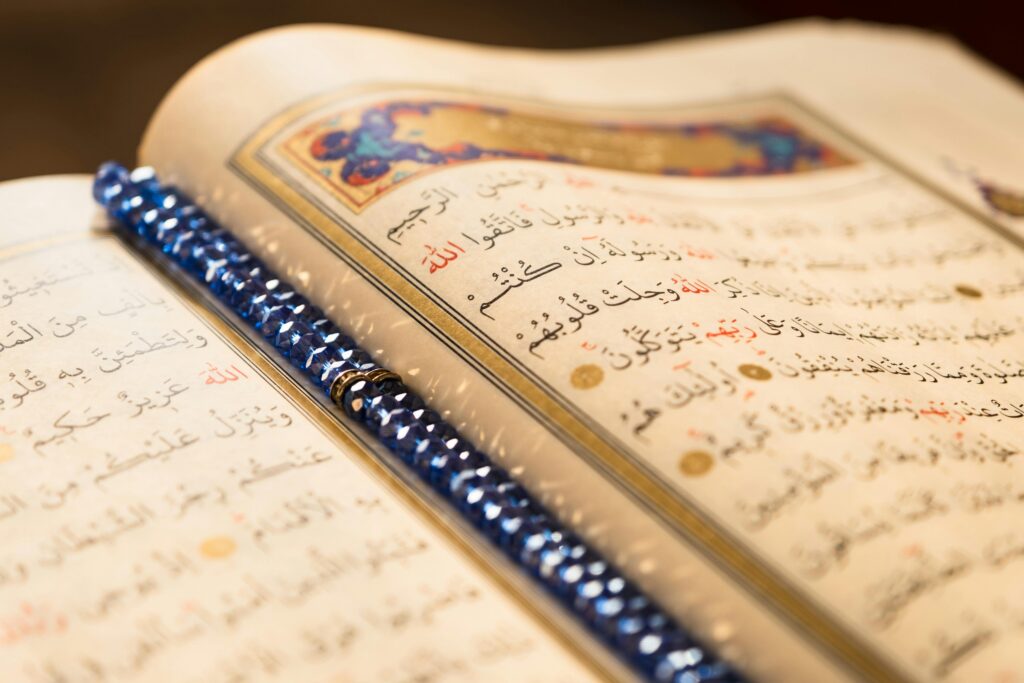
Detailed image of an open Quran with an ornate blue beaded bookmark, showcasing sacred script.

Best Time for Online Quran Classes in Ramadan (Kids & Adults)

Best Time for Online Quran Classes in Ramadan (Kids & Adults)

A complete schedule guide around Suhoor, school/work, Iftar, Taraweeh, and time zones (plus a routine that actually sticks).

Ramadan changes the rhythm of life. Sleep patterns shift, mealtimes move, energy rises and falls differently, and homes become busier in the evenings. That is why, every year, a common question appears across search engines:

“What is the best time for online Quran classes in Ramadan?”
And closely related questions like:
best time to learn Quran in Ramadan, Ramadan Quran schedule for kids, best time for Tajweed class in Ramadan, and online Quran classes timings in Ramadan.

The good news: there is a clear answer just not a one-size-fits-all one.

The best time for online Quran lessons in Ramadan depends on four things:

  1. Who the student is (kids vs adults)
  2. What the goal is (Nazra/Qaida, Tajweed, Hifz/memorization, Islamic studies)
  3. What the daily routine looks like (school/work, Taraweeh, family commitments)
  4. Time zone matching (especially for international students and teachers)

This guide will help you pick the best class timing for Ramadan using a simple framework, and it will give you practical schedules you can actually maintain, without burnout.

Quick Answer: Best Time for Online Quran Classes in Ramadan

The best time for online Quran classes in Ramadan is the time slot you can follow consistently without harming sleep or daily responsibilities. For many adults, the most effective option is after Fajr, because mornings are quieter and the Prophet ﷺ prayed for blessing in the early part of the day. For most kids, the best time is after school/before Asr or early evening, with shorter lessons (20–30 minutes) to avoid fasting fatigue and late bedtimes.

Why “Timing” Matters More During Ramadan

Outside Ramadan, you can often rely on your normal routine. In Ramadan, that routine is re-written:

  • Nights become longer due to Taraweeh and family gatherings.
  • Days can feel slower because of fasting.
  • Late afternoons may bring low energy for some students.
  • Kids may struggle with focus when they sleep late.
  • Adults may find it hard to study after Isha if they are exhausted.

So the “best time” is not about squeezing a lesson into the day. It is about choosing a slot that supports focus, consistency, and good character in the home. A schedule that causes stress, arguments, or constant cancellations defeats the purpose of Quran learning in Ramadan.

A Ramadan Learning Principle: Small + Consistent is Better Than Big + Broken

Many families start Ramadan with strong motivation: “We will do long classes daily.” Then the routine collapses after a week.

A better approach is to build a plan that fits real life. Even 20–30 minutes, done consistently, can bring visible progress in Quran reading and Tajweed during Ramadan especially for children and beginners.

The 3 Best Time for Online Quran Classes in Ramadan

Most students succeed when they choose one of these three windows and stick to it.

1) After Fajr (Early Morning Quran Class)

For many people, this is the most reliable “protected time” in Ramadan.

Why it works

The Prophet ﷺ made a du’a for barakah in the early part of the day:

“O Allah, bless my people in their early mornings.”

That “early morning barakah” is not only a spiritual idea, it often shows practically. Mornings are quieter. The mind is clearer. The phone is not controlling the day yet. This is why many adults find their after-Fajr online Quran class in Ramadan becomes the most consistent habit of the month.

Who it is best for

Recommended class duration

  • Adults and working professionals
  • Teens who can wake up easily
  • Students focusing on Tajweed (pronunciation needs calm focus)
  • Students doing light Hifz revision
  • Students who want a stable daily routine
  • Adults: 25–45 minutes
  • Teens: 25–40 minutes
  • Kids (only if they manage mornings well): 15–25 minutes

A realistic note

After-Fajr classes only work if sleep is managed. Ramadan is not meant to turn the home into chaos. If a student is sleeping too late nightly, the morning slot will become painful instead of productive.

2) After School / Before Asr (Best for Kids in Ramadan)

If your primary goal is kids Quran classes in Ramadan, this is often the easiest time.

Why it works

Kids returning from school can do a short class before the house becomes busy with Iftar preparation. It’s also usually earlier than late-night worship, which protects bedtime.

Who it is best for

  • Children learning Noorani Qaida or Nazra
  • Kids building daily reading fluency
  • Beginners who need consistent practice more than long sessions

Recommended class duration

  • Ages 4–8: 15–25 minutes
  • Ages 9–12: 20–35 minutes

The most important rule for kids

In Ramadan, keep learning gentle and consistent. Don’t turn Quran class into a daily argument. The goal is to build love and stability.

3) After Isha / After Taraweeh (Night Classes)

This can work for adults and older teens but not for everyone.

Why it works

Evenings feel “free” after dinner and family time. Many adults also feel spiritually motivated at night and enjoy recitation practice after prayer.

Who it is best for

  • Adults with flexible sleep
  • Older teens who function well at night
  • Students focusing on recitation practice and Tajweed correction

The main risk

Late-night classes can push bedtime too far, causing fatigue and cancellations. If you choose night classes, shorten the lesson and keep it consistent rather than long and exhausting.

Spiritually Powerful vs Practically Sustainable

Some families ask:
“Should we study Quran at Tahajjud time because it is a special time?”

The last third of the night is indeed a special time for du’a and seeking forgiveness. The Prophet ﷺ described that Allah invites His servants in that time to ask and seek forgiveness.

But that does not necessarily mean it is the best time for a long learning session especially if it harms sleep and creates stress.

A balanced approach that works

  • Keep Tahajjud time for short worship + du’a (even 10–20 minutes).
  • Keep Quran classes in a sustainable time window (after Fajr or after school for kids).

This approach protects both spirituality and daily stability.

Best Time for Online Quran Classes in Ramadan: Kids Edition

Parents search for:
best time for online Quran classes for kids in Ramadan, Ramadan Quran schedule for kids, how to manage Quran class with school.

Here is a practical answer.

What kids need in Ramadan

Kids need:

  • regular sleep
  • short sessions
  • a calm tone
  • consistency more than intensity

When kids are tired, they lose focus and become resistant. So the best time is usually when they are not exhausted and the home is not rushing.

Recommended Ramadan schedules for kids

Below are two schedules that work for most families.

Schedule A (Most popular): After School Quran Class

Best for: Noorani Qaida, Nazra, early Tajweed
Timing: After school → before Asr (or early evening)
Duration: 20–30 minutes
Why it works: Stable routine + protects bedtime

Schedule B: Early Morning (Only if your child sleeps early)

Best for: short Nazra practice, revision
Timing: after Fajr
Duration: 15–25 minutes
Why it works: calm environment + quick daily consistency

If your child struggles to wake up or has early school, schedule A is usually better.

A gentle parenting strategy that increases consistency

Instead of “long Quran class daily,” try this:

Class + Mini Revision

  • Main class (20–30 minutes) once daily
  • Mini revision (5 minutes) after Maghrib or before bed

That mini revision builds retention without stress. It also keeps Quran connected to Ramadan nights in a soft way.

Best Time for Online Quran Classes in Ramadan: Adults Edition

Adults search for:
best time to learn Quran in Ramadan, Ramadan Quran schedule for working adults, best time for Tajweed class Ramadan.

Adults succeed when the schedule does not clash with work, family responsibilities, and worship.

What adults need in Ramadan

Adults need:

  • a time window with fewer distractions
  • a consistent slot that survives busy days
  • a plan that respects sleep and worship

Recommended Ramadan schedules for adults

Schedule A (Strongest consistency): After Fajr

Best for: Tajweed, Nazra fluency, Hifz revision
Duration: 25–45 minutes
Why it works: mornings are quieter and the Prophet ﷺ prayed for barakah in early mornings

Schedule B (If mornings are impossible): Midday short session

Best for: Nazra, revision, Islamic studies
Duration: 20–30 minutes
Why it works: easier to maintain for some work routines

Schedule C (Night learner): After Taraweeh

Best for: recitation refinement, Tajweed corrections
Duration: 20–35 minutes
Why it works: family responsibilities are lighter after prayer (for some homes)

If you pick night classes, keep them shorter and protect sleep.

Match the Time Slot to Your Goal (Nazra vs Tajweed vs Hifz)

A very common mistake is choosing a time slot without matching it to the learning goal.

If your goal is Noorani Qaida / Nazra (reading fluency)

Nazra improves through repetition. Short daily sessions are ideal.

Best times:

  • Kids: after school
  • Adults: after Fajr or midday

If your goal is Tajweed

Tajweed requires attention to pronunciation and correction.

Best times:

  • after Fajr (mind is calmer)
  • early evening (if mornings are not possible)

If your goal is Hifz (memorization)

Memorization works best when the mind is fresh.

Best time for new memorization: often after Fajr
Best time for revision: early evening or after Maghrib
This split prevents overload and helps retention.

Time Zones: The Hidden Ramadan Scheduling Problem

Online Quran learning is international. Many students are in the USA, UK, Canada, Australia, and teachers may be in Pakistan or other countries.

That creates a practical issue:
Your “best time” must also align with the teacher’s availability.

A simple solution for families

Choose a teacher/academy that offers multiple time windows:

  • morning slots
  • afternoon slots
  • evening slots

When families can instantly see workable options, they are more likely to book a trial and continue consistently.

A Quranic Du’a to Begin Your Quran Class

If you want your online Quran class in Ramadan to feel spiritual, not just academic, start it with a short Qur’anic du’a:

Arabic

وَقُل رَّبِّ زِدْنِي عِلْمًا

Meaning

“My Lord, increase me in knowledge.”

This du’a is short, powerful, and perfectly aligned with the intention of learning.

Should We Avoid Classes Right Before Iftar?

People also search for: “Is before Iftar a good time for Quran class?”

Here is the balanced answer:

The minutes around Iftar are spiritually valuable. There is a narration that the fasting person’s supplication at the time of breaking the fast is not turned back.
Because of this, many families prefer to keep the time before Maghrib calm: light revision, Quran listening, and du’a.

Best practice

  • Avoid heavy “new learning” in the final 30–45 minutes before Maghrib.
  • If you must schedule then, make it short revision (10–15 minutes).
  • Keep the final minutes for du’a and a peaceful Iftar.

The Ideal Class Length in Ramadan (So Students Don’t Quit)

In Ramadan, consistency matters more than long sessions.

A practical guideline:

  • Kids (4–8): 15–25 minutes
  • Kids (9–12): 20–35 minutes
  • Teens: 25–45 minutes
  • Adults: 25–50 minutes

If the student is tired, shorten the class instead of cancelling it. A short class maintains the habit. A cancelled class often breaks momentum.

Done-For-You Ramadan Plans (Simple and Maintainable)

Plan 1 — Kids (School Days)

Best for: Noorani Qaida, Nazra, basic Tajweed
Main class time: after school → before Asr
Duration: 20–30 minutes
Optional mini revision: 5 minutes after Maghrib (light reading)

This plan keeps kids consistent without disturbing bedtime and without colliding with Iftar preparation.

Plan 2 — Adults (Working Routine)

Best for: Tajweed, Nazra consistency, Hifz revision
Main class time: after Fajr
Duration: 25–45 minutes
Optional mini revision: 10 minutes after Asr or after Isha

This plan works because after-Fajr is often the least interrupted time window, and it aligns with the prophetic du’a for early morning barakah.

Plan 3 — Night Learners (Adults/Teens)

Best for: recitation refinement, Tajweed corrections
Main class time: after Taraweeh
Duration: 20–35 minutes
Extra: keep a fixed bedtime so the plan survives all month

Add Authenticity to Your Ramadan Routine: One Forgiveness Du’a Daily

Ramadan is a month of forgiveness. If you want one hadith-based supplication to anchor your Ramadan routine, consider Sayyidul Istighfar.

The Prophet ﷺ described it as the most superior way of asking forgiveness from Allah.
This supports the spiritual purpose of Quran learning: not just recitation, but purification.

(You can include the full Arabic text of Sayyidul Istighfar in a separate “daily adhkar” post, and internally link it here.)

FAQs

What is the best time for online Quran classes in Ramadan?

The best time is the slot you can follow consistently without harming sleep or daily responsibilities. For many adults, after Fajr is ideal because mornings are calmer and the Prophet ﷺ prayed for blessing in early mornings. For many kids, after school/before Asr is best because it protects bedtime.

Is it better to learn the Quran in the morning or at night in Ramadan?

Morning learning often improves consistency and focus, while night learning can work if it does not push bedtime too late. A sustainable routine matters more than an ambitious plan that collapses mid-Ramadan.

What is the best time for kids to take online Quran classes in Ramadan?

Most kids do best after school or early evening with shorter sessions (20–30 minutes). This avoids fatigue and keeps the Quran learning peaceful and consistent.

Should we schedule a Quran class right before Iftar?

Many families avoid heavy sessions right before Maghrib because Iftar is a valuable time for du’a, and there is a narration about the fasting person’s supplication at the time of breaking fast not being turned back. A short revision session can still work if needed.

Start a Ramadan Quran Routine With Guidance

Ramadan is the easiest month to build habits, especially for kids and beginners, because your home already has a spiritual rhythm.

At Al Khair Online Quran Academy, we help students (kids and adults) build a sustainable Ramadan plan with:

  • Noorani Qaida & Nazra (Quran reading fluency)
  • Tajweed (makharij, pronunciation, rules)
  • Hifz support (memorization + revision schedule)
  • 1-to-1 online classes
  • Flexible timings for international students (USA/UK/Canada and more)

If you’re unsure which time slot is best, start with a Free Trial assessment. We’ll recommend a timing plan based on your routine, level, and goals.

Book Free Trial – Ramadan Schedule
Start Quran Classes This Ramadan
Get Free Assessment Class

Final Takeaway

The best time for online Quran classes in Ramadan is not the “most popular” time, it is the time you can protect consistently. For many adults, that is after Fajr. For many kids, that is after school/before Asr. Keep lessons shorter, keep the tone calm, and attach the routine to the natural rhythm of Ramadan.

If you do that, Ramadan becomes the month where Quran becomes a daily habit not a seasonal wish. you want the easiest, fastest path, start with a short assessment and let the teacher map the right course for you.

Your next step:
Start Your Free Trial.

Best Time for Online Quran Classes in Ramadan (Kids & Adults) Read More »

ramadan, quran, candle, islam, islamic, holy, pray, religion, allah, muslim, prayer, culture, religious, worship, kareem, fasting, faith, book, mubarak, arabic, traditional, tasbih, dark, rehal, iftar, ramadan, quran, quran, quran, quran, quran

Ramadan is the month of Qur’an — but busy families need a realistic routine

Ramadan is the month of Qur’an — but busy families need a realistic routine

Every year, Ramadan arrives with hope. Parents want their children to become consistent with Quran reading. Adults want to reconnect with recitation, improve Tajweed, and feel closer to Allah. But for most homes, Ramadan is also the busiest month of the year: work deadlines continue, school routines don’t stop, sleep schedules change, iftar preparation takes time, and Taraweeh adds a beautiful but demanding, night routine.

Allah tells us clearly why this month is special:

“Ramaḍân is the month in which the Quran was revealed as a guide for humanity…” (Qur’an 2:185).

So when people say, “Ramadan should feel like the Qur’an,” they’re not exaggerating. Ramadan and Qur’an are tied together spiritually and historically. Yet the real challenge is: how do you build a Quran routine that actually fits real family life without turning it into pressure, guilt, or arguments with kids?

This blog is a practical answer. It’s not written for the person who can sit for two hours daily in perfect peace. It’s written for busy parents, working adults, and families living abroad who need a clear plan, small steps, and a routine that survives chaos.

By the end of this post, you’ll have:

  • a simple Ramadan Quran routine that works even on tough days
  • a 30-day Quran schedule for Ramadan (kids + adults)
  • a realistic way to include Tajweed practice without overwhelm
  • a printable checklist you can track daily
  • and a clear next step if you want guidance: a free placement/assessment trial so your plan matches your actual level

A reminder that changes everything: you don’t need “perfect” to start

One of the most motivating hadith on this topic is simple, and it speaks to every parent and student:

“The best among you are those who learn the Qur’an and teach it.” (Sahih al-Bukhari 5027).

Notice what it doesn’t say. It doesn’t say the best are those who already recite flawlessly. It praises learning and teaching, meaning effort, growth, and commitment count. That’s why Ramadan is not only about finishing pages. It’s about returning to the Qur’an with humility, building a habit, and improving step-by-step.

And if you’re thinking, “I’m behind,” or “My child struggles,” remember: habits are not built by big promises. They’re built by small consistent actions.

Why most Ramadan Quran routines fail (and the hidden reason parents feel stuck)

Most Ramadan routines fail for one reason: they are designed for an ideal day, not a real day.

An ideal-day routine sounds like:

  • “I’ll read one juz every day.”
  • “My child will do 30 minutes daily.”
  • “We’ll never miss.”

But then reality arrives:

  • your child is tired from school
  • you had guests
  • you overslept after suhoor
  • work stretched longer
  • you came back late from Taraweeh

When you miss two days, guilt takes over. You try to “make up” with a long session. That feels heavy. Then the routine collapses.

So the fix is not more pressure. The fix is a smarter system: minimum + bonus.

Minimum + Bonus (the routine that survives real life)

On busy days, you do the minimum. On good days, you add a bonus. This keeps you consistent through the whole month.

The minimum might be 5 minutes. The bonus might be 10–25 minutes. The blessing is that you keep your relationship with Qur’an alive every day  and that consistency becomes your strength after Ramadan ends.

The 3-block Ramadan Quran routine (kids + adults, any time zone)

Instead of one long session, split Qur’an into three short blocks. This is the easiest routine for families who are busy and need flexibility.

Block 1: After Fajr (5–10 minutes)

This block is about identity: “I start my day with Qur’an.”

Even if it’s just a few lines, it changes the tone of the day. For kids, this is often a calm time before distractions begin. For adults, it’s a peaceful moment when the mind is fresh.

If you’re learning Noorani Qaida online, this is a great slot for a short lesson. If you’re doing Nazra, read slowly and clearly. If you’re doing Hifz, revise a small portion.

You are not trying to win a race here. You are trying to win consistency.

Block 2: Main session (10–20 minutes anytime)

This is where progress happens. It can be after school, during a lunch break, before Maghrib, or even after Taraweeh if that’s your quiet time.

This is the session where you do slightly more focused learning:

  • kids: Nazra reading + corrections
  • adults: recitation with Tajweed correction
  • Hifz students: new memorization + structured revision

The goal is not quantity. The goal is improvement.

Block 3: Before sleep (3–7 minutes)

Most people underestimate this block, but it’s powerful for retention. Recite what you read earlier, or listen to the passage you’re working on. For kids especially, bedtime review strengthens memory and reduces mistakes repeating.

Even three minutes counts, especially when it becomes a nightly habit.

The free 30-day Ramadan Quran schedule (simple, repeatable, stress-free)

This is a “weekly focus” plan, because weekly focus is more forgiving than strict daily page targets.

Week 1 (Days 1–7): Build consistency and calm

This week is about showing up daily without struggle.

For parents, the biggest win is this: the child sits with the Qur’an daily, even briefly, without arguments. For adults, the win is reciting daily even if it’s small.

Keep the routine simple. Make it easy to succeed. If your child is a beginner, focus on Noorani Qaida or basic joining. If your child reads already, keep Nazra slow and clean. If you’re an adult, don’t rush. Start with what you can maintain.

Week 2 (Days 8–14): Improve accuracy (this is where Tajweed matters)

In week two, keep the same routine timing, but increase focus on correction. This is the week where a teacher’s guidance makes a huge difference, because most mistakes repeat until someone corrects them properly.

This is also where many adults search for “Tajweed classes online” because they realize that the Taraweeh season exposes mistakes. Week two is the perfect time to start correcting:

  • letter pronunciation (makharij)
  • lengthening rules (madd)
  • stopping rules (waqf)
  • heavy/light letters

You don’t need to learn everything at once. You need one correction focus at a time.

Week 3 (Days 15–21): Build fluency and confidence

By week three, something changes: Qur’an becomes familiar again. The tongue becomes smoother. The routine feels lighter.

This is a great week to add listening practice. Listening to a skilled reciter for even five minutes a day can improve rhythm and pronunciation naturally. For kids, “repeat-after-me” listening is especially effective.

If you’re an adult, you’ll notice that recitation starts feeling more confident, and that confidence is often what keeps people consistent after Ramadan ends.

Week 4 (Days 22–30): Lock the habit for life after Ramadan

The last ten days are precious, but they can also bring tiredness. Sleep becomes lighter. Worship increases. Time feels short.

So don’t increase targets drastically. Protect the habit. Keep the routine steady and aim for clean recitation, not speed.

A realistic goal for the last ten days is: keep your blocks alive even if the main session becomes shorter. Consistency in the last ten days is a sign of sincerity.

A beautiful Sunnah: the Prophet ﷺ reviewed the Qur’an in Ramadan

One of the strongest reminders that Ramadan is the month of Qur’an is this narration:

“Gabriel used to repeat the recitation of the Qur’an with the Prophet ﷺ once a year, but he repeated it twice with him in the year he died…” (Sahih al-Bukhari 4998).

This is powerful because it shows Ramadan as a month of revision, strengthening, and connection to Qur’an  not only reading, but reviewing and refining.

So if you feel like you’re “starting again,” you are actually following a meaningful Ramadan pattern: returning, revising, and improving.

“With hardship comes ease” — why your routine should be gentle, not extreme

Many parents feel guilty because they try a strong routine, then fail to maintain it. Allah’s words are a mercy:

“So, surely with hardship comes ease.” (Qur’an 94:5).

Your routine should reflect this mercy. Instead of punishing yourself or your child with unrealistic targets, choose a plan that brings ease , because ease is what lasts.

Parent experience: the biggest mistake is correcting everything

Here’s what happens in many homes:

A child starts reading. The parent hears many mistakes. The parent corrects every single one. The child feels overwhelmed, embarrassed, or frustrated. Then Qur’an time becomes stressful. Eventually, the child avoids it.

A better approach is what teachers use: focus on the top repeated mistakes, not every mistake.

Try this for one week:

  • Choose the two most repeated mistakes
  • Correct only those during the week
  • Praise improvement
  • Then move to the next two

This method keeps the child confident while still improving. Kids thrive when they feel progress, not pressure.

Adult experience: why you keep repeating the same Tajweed mistakes

Adults often say: “I’ve been reading for years, but I still make the same mistakes.”

That’s normal, because mistakes become habits when they’re not corrected with clarity. The goal in Ramadan is not to become a Tajweed scholar overnight. The goal is to remove the repeated errors that keep showing up.

This is why short, consistent sessions with correction work so well in Ramadan. Even 2–3 correction sessions per week can transform recitation quality when they’re focused and personal.

A small deed with a big reward (and why “small daily Quran” matters)

Some people avoid the Qur’an because they think, “I can’t do much.” But the Prophet ﷺ taught us that even small recitation carries reward.

“Whoever recites a letter from the Book of Allah… will receive the reward… and the reward of ten the like of it…” (Jami` at-Tirmidhi 2910).

So don’t underestimate the “small Qur’an.” The habit itself is worship. And in Ramadan, small consistent worship becomes a treasure.

A practical Ramadan Quran routine for kids (Noorani Qaida, Nazra, Tajweed)

Many families search for Quran classes for kids online during Ramadan because they want structure without conflict at home. Here’s how to build a kid-friendly routine that works:

Start with short sessions. For many kids, 10–15 minutes is enough if it’s consistent. If your child is learning Noorani Qaida, keep the focus on correct sounds, joining, and smooth reading. If your child reads the Qur’an already, keep Nazra slow, and correct gently.

The most important part is consistency and correct guidance. Kids learn fast when:

  • the session is short
  • the correction is clear
  • the teacher keeps it encouraging
  • the goal is improvement, not perfection

If you’re living abroad, online learning makes it even easier to find the right timing and the right teacher style for your child.

A practical Ramadan Quran routine for adults (Nazra + Tajweed + confidence)

Adults often look for online Quran classes in Ramadan because they want:

  • flexible timings
  • 1-on-1 correction
  • fast improvement in pronunciation
  • a routine that fits work schedules

A strong adult routine is simple:

  • daily recitation (even half page)
  • 2–3 short Tajweed correction sessions weekly
  • listening to recitation for a few minutes daily

Adults improve quickly when correction is focused. You don’t need to “study Tajweed” like a textbook every day. You need practical feedback: what to fix, how to fix it, and what to practice for the next session.

A family routine that doesn’t feel heavy

If you want your home to feel like Ramadan, you don’t need long lectures. You need a small shared Qur’an moment.

Choose one time:

  • 10 minutes after iftar
  • or 10 minutes after Taraweeh
  • or 10 minutes on weekends

One person recites, others listen. Kids can read a few lines. Parents correct gently. You end with a short dua.

That’s enough to create a “Qur’an atmosphere” in the home  and those small moments build memories that last far beyond Ramadan.

Why families choose Al Khair Online Quran Academy in Ramadan (trust + proof, without exaggeration)

During Ramadan, most families don’t want complicated systems. They want clarity. They want a teacher who can quickly identify what the student needs, and a schedule that works with their life.

That’s why the simplest path for many families is a free assessment trial:

  • the teacher listens to the student
  • identifies the level (Qaida / Nazra / Tajweed / Hifz)
  • spots repeated mistakes
  • recommends a realistic Ramadan plan
  • suggests time-zone friendly class slots

When you have that clarity, you stop guessing. You stop jumping between random YouTube videos. You stop feeling unsure if you’re doing it correctly.

And because every family has different preferences, many families also ask for:

  • 1-on-1 online Quran classes (more correction, less distraction)
  • a female Quran teacher online for comfort and privacy
  • a schedule that suits USA/UK/Canada/Australia time zones

This is not about “doing more.” It’s about doing what actually works for your level  and keeping it consistent.

Free Trial Ramadan Assessment (Lead Capture Section)

If you want the fastest improvement this Ramadan for yourself or your child, start with a simple step: a placement check.

In a free trial class, the teacher will:

  • assess the reading level
  • correct the main repeated mistakes
  • recommend a Ramadan Quran schedule that fits your lifestyle
  • suggest the best class timings for your country

WhatsApp message: “RAMADAN PLAN”
Or book through the Free Trial form on our website.

Printable Ramadan Quran checklist (simple daily tracking)

Make tracking easy. Keep it simple. Consistency loves simplicity.

Daily Quran Checklist
After Fajr: ___ minutes
Main session: ___ minutes
Before sleep: ___ minutes
Today’s focus: Qaida / Nazra / Tajweed / Hifz
Today’s improvement: ___________________

If you want this as a PDF, message: RAMADAN PLAN

FAQs (for ranking + conversions)

What is the best Ramadan Quran routine for busy parents?

The best routine is one split into short blocks across the day (Fajr + main session + bedtime review). It works even with school and work schedules.

What is a realistic Quran schedule in Ramadan?

A realistic plan is 15–25 minutes per day total, with a weekly focus (consistency first, then accuracy, then fluency). That approach is easier to maintain than strict daily page targets.

Is Ramadan a good time to start Noorani Qaida online?

Yes. Ramadan motivation is high, and short daily lessons with a teacher can help beginners progress quickly and correctly.

Can adults learn Tajweed online in Ramadan?

Yes. Adults improve fastest with 1-on-1 correction and focused practice. Even 2–3 sessions per week can produce noticeable improvement.

Final words: make Ramadan the start of a life habit, not a one-month sprint

Ramadan passes quickly. The goal is not to pressure yourself into a perfect routine. The goal is to build a steady connection with the Qur’an that continues after Ramadan ends.

Start small. Stay consistent. Choose ease over extremes. And if you want guidance that matches your real level, take the free assessment trial and let a teacher build a plan that fits your life.

Ramadan is the month of Qur’an. Let your home feel like the Qur’an, in a way that is sustainable, calm, and sincere. 

Ramadan is the month of Qur’an — but busy families need a realistic routine Read More »

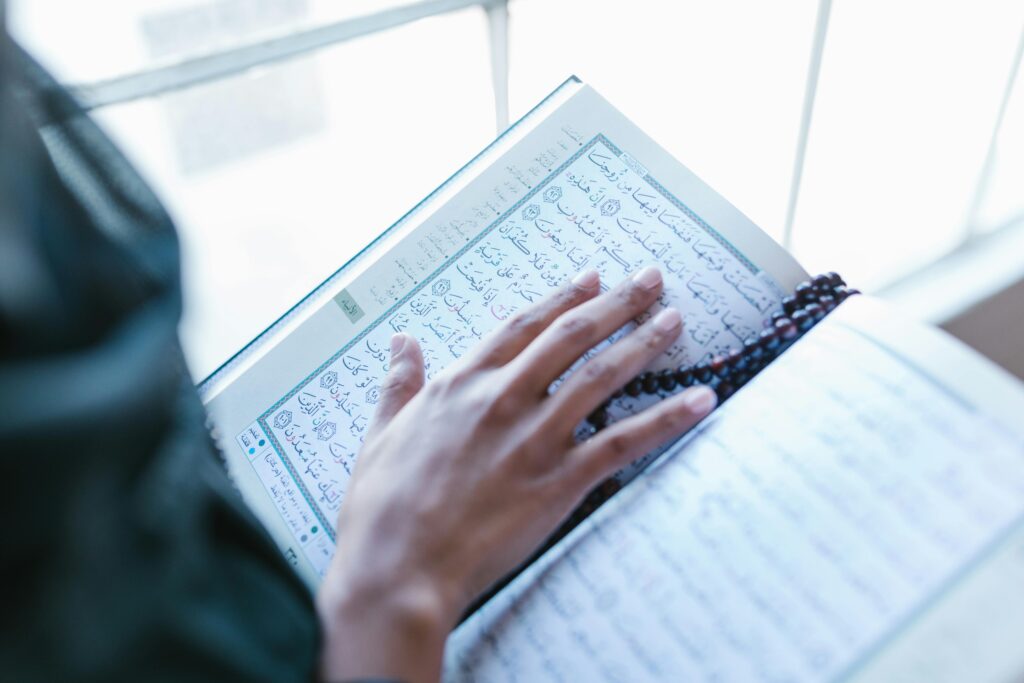
A person reading the Quran, highlighting spirituality and worship with prayer beads.

Ramadan + Taraweeh make us care about recitation… and that’s a good thing

Ramadan + Taraweeh make us care about recitation… and that’s a good thing

Ramadan is the month in which hearts soften and people return to the Qur’an. In Taraweeh, you hear the Qur’an nightly  and for many of us, that becomes the moment we start noticing something: my recitation needs improvement. Some people feel shy, some feel guilty, and some simply feel lost: “Where do I even start? Which mistakes matter most?”

First, breathe. This feeling can be a mercy, because it pushes you toward a better relationship with Allah’s Book.

Allah reminds us that Ramadan is deeply connected to the Qur’an:

“Ramadan is the month in which the Quran was revealed as a guide for humanity…” (Qur’an 2:185) https://quran.com/2/185

And the Prophet ﷺ gave a powerful encouragement:

“The best among you are those who learn the Qur’an and teach it.” (Sahih al-Bukhari 5027)
External source: https://sunnah.com/bukhari:5027

So if you’re reading this because you want to fix your Tajweed before Taraweeh, that intention is valuable. But the key is to follow a plan that is realistic, gentle, and focused.

This blog gives you:

  • a 7-day Tajweed correction plan
  • the 10 most common Tajweed mistakes people make in Salah/Taraweeh
  • simple daily drills (5–15 minutes)
  • and a clear next step: free Tajweed assessment (so you stop guessing and start improving with confidence)

Why Tajweed matters (without making it feel scary)

Tajweed isn’t about showing off. It’s about giving the Qur’an its due rights in recitation, pronouncing letters correctly, avoiding major distortions, and improving beauty and clarity step-by-step.

Most adults and teens don’t need a complicated Tajweed textbook in Ramadan. What they need is:

  1. to identify the top repeated mistakes
  2. fix them with a small daily drill
  3. get correction from someone qualified so mistakes don’t become permanent

That’s why in Ramadan we recommend small daily practice + 2–3 correction sessions with a teacher if possible.

If you want structured 1-to-1 support, here are your relevant pages (internal links):

The “7-Day Tajweed Fix” mindset (why this works fast)

Most people try to fix Tajweed by doing random things:

  • watching 20 videos
  • reading rules without practice
  • reciting faster to “sound fluent”
  • correcting everything at once

That usually fails, because Tajweed is a skill  and skills improve through repetition of a few key corrections.
This 7-day plan is built on three principles:

  1. Focus: fix a few high-impact issues first
  2. Small daily practice: even 10 minutes/day changes your tongue
  3. Feedback: a teacher’s correction prevents “practicing mistakes”

Before we start: how to use this blog properly

Pick one short surah you recite often in Salah (example: Al-Fatihah + last 10 surahs). Use it as your practice set for the week.
Then do this daily:

  • recite slowly
  • mark 2–3 mistakes
  • repeat the corrected version 5–10 times
  • listen to a good reciter for the same verses (a few minutes)

Even if you only fix three repeated mistakes in Ramadan, that’s huge progress.

10 Common Tajweed Mistakes to Fix Before Taraweeh

Below are the mistakes that show up most often for adults and kids who already “can read” but still struggle with accuracy.

I’ll explain them in a simple way, with what to do this week.

Mistake #1: Rushing (speed kills Tajweed)

This is the most common issue  especially in Ramadan when people want to read more. When you rush, everything breaks:

  • letters lose their correct articulation
  • madd becomes random
  • stops become messy
  • pronunciation becomes guesswork

Fix: slow recitation with clear mouth movement.
If you want a simple rule: recite like you are teaching a child. That pacing naturally forces clarity.

Mistake #2: Not giving letters their correct makhraj (articulation point)

Many mistakes are not “Tajweed rules,” they are simply letter pronunciation issues:

  • mixing س (seen) and ص (saad)
  • mixing ت (taa) and ط (taa heavy)
  • mixing ذ (dhaal) and ز (zay)
  • weak or incorrect ع (‘ayn) and ح (haa)

These matter because changing a letter can change meaning.

Fix: choose 3 letters you struggle with and practice them in words  not alone.
Short practice daily beats long study once.

Mistake #3: Heavy vs light letters (Tafkheem vs Tarqeeq)

Some letters are naturally heavy (like ص ض ط ظ ق غ خ). Others are light.
A common mistake is making light letters heavy, or heavy letters too weak.

This is especially common in:

  • Al-Fatihah
  • the last short surahs recited daily

Fix: focus on one heavy letter group per day (like ق/غ/خ).
Say the letter slowly, then in a word, then in your selected surah.

Mistake #4: Wrong Madd timing (stretching too little or too much)

“Madd” is lengthening. People often stretch randomly, usually because they imitate a tune without understanding the timing.

You don’t need complex categories to improve quickly. For this week:

  • identify where you stretch
  • check if it’s a place that requires a longer madd
  • practice consistent timing

Fix: pick 5 places in your practice surah and repeat them daily.

Mistake #5: Qalqalah confusion (echo letters that shouldn’t echo)

Qalqalah is the bounce/echo sound for letters ق ط ب ج د when they have sukoon (or are stopped upon).

Many learners:

  • over-bounce and make it too loud
  • or don’t bounce at all and “swallow” the letter

Fix: practice qalqalah in slow stops.
Example approach: pronounce the letter firmly, but don’t add a vowel after it.

Mistake #6: Noon Saakinah/Tanween (the “n” rules) are ignored

This is one of the most common Tajweed rule families that changes sound clearly.
People often read every noon/tanween like a plain “n,” even when it should merge, hide, or convert depending on the next letter.

Fix: don’t memorize all categories in Ramadan.
Just do this:

  • pick your daily recitation
  • circle 3 noon/tanween examples
  • ask a teacher or reference a lesson
  • repeat them 10 times correctly

This alone makes your recitation sound noticeably better.

Mistake #7: Ghunnah is missing or exaggerated

Ghunnah is the nasal sound (especially for م and ن in certain rules). Many readers:

  • remove it completely (sounds dry/flat)
  • or overdo it (sounds unnatural)

Fix: aim for a balanced nasal sound, neither zero nor too long.
Listen to a qualified reciter and match the gentle tone.

Mistake #8: Stopping wrong (Waqf) — stopping changes meaning

Some stops are fine. Some are harmful because they change meaning or break the message.

In Taraweeh, we hear imams stop correctly, but at home many people stop anywhere they run out of breath.

Fix: practice stopping at the end of an ayah, and in short surahs stop only at natural points.
If you struggle with breath, shorten recitation rather than stopping randomly.

Mistake #9: Ending sounds (especially هـ and ة) are mishandled

Common confusion:

  • pronouncing ة incorrectly when stopping
  • dropping the final sound completely
  • adding an extra vowel

Fix: practice a few common endings you often recite.
Ask a teacher to correct your most frequent ending mistakes.

Mistake #10: Al-Fatihah errors (the one surah you recite the most)

This is the most important one because Al-Fatihah is in every rak’ah. Many people recite it daily for years with small repeated issues.

Fix: make your 7-day plan centered around Al-Fatihah.
Slow it down, correct one mistake at a time, and repeat the corrected version.

The 7-Day Tajweed Fix Plan (10–15 minutes/day)

Now let’s put it into a clear plan.

Day 1: Record yourself + pick your focus mistakes

Today isn’t about “learning rules.” It’s about awareness.
Recite:

  • Al-Fatihah
  • 3 short surahs you recite often

Record it on your phone. Then listen once and write down:

  • 2 pronunciation issues (letters)
  • 1 madd issue
  • 1 stop issue (if any)

If you can, send this recording for a teacher assessment (this is where progress becomes fast).


Book your free Tajweed assessment

Day 2: Makharij day (3 letters only)

Pick 3 letters you confuse. Practice them inside Qur’anic words, not alone.

Keep it short, but repeat:

  • say the word slowly
  • then read it in the ayah
  • then repeat 5 times

If you’re learning with a teacher, this is typically the fastest improvement area in 1-on-1.

Day 3: Heavy/light day (Tafkheem/Tarqeeq basics)

Today you focus on one set:

  • heavy letters vs light letters in your daily surahs

You’ll notice instant improvement in sound once you stop making light letters heavy.

Day 4: Madd day (consistent timing)

Pick 5 madd places from your practice surahs and repeat them.

Your target is not “perfect madd categories.” Your target is consistent, correct-sounding length.

Day 5: Noon/Tanween day (3 examples only)

Choose 3 noon/tanween examples in your daily recitation. Correct them and repeat them.
This small change makes your recitation sound much more accurate.

Day 6: Qalqalah + Ghunnah day (sound cleaning)

Today is “cleaning” day:

  • make qalqalah firm but not exaggerated
  • make ghunnah present but not too long

Listen to a reciter for a few minutes and match.

Day 7: Al-Fatihah day (final correction + repeat)

End the week by perfecting the surah you use most.

Repeat Al-Fatihah:

  • slowly 5 times
  • then once at normal Salah pace
  • then listen and check: what improved?

This is where you feel the progress.

Why a teacher speeds up Tajweed massively (and prevents practicing mistakes)

Many people practice a lot but don’t improve because they practice the same wrong sound repeatedly.
A qualified teacher does two things:

  1. identifies your real mistake (often a mouth position issue)
  2. gives you a drill that fixes it in minutes, not months

That’s why one-to-one online Quran classes are extremely effective for Tajweed in Ramadan. You get immediate correction and confidence.
Internal links you can add as call-to-actions:

Why families choose Al Khair for Tajweed in Ramadan (trust section without exaggeration)

In Ramadan, most students don’t want “more information.” They want a clear path. Families usually come with one of these goals:

  • “Fix my recitation before Taraweeh ends.”
  • “I want to stop repeating the same mistakes.”
  • “My child reads, but accuracy is weak.”
  • “I need a female teacher for comfort and privacy.”
  • “We live abroad; timing matters.”

Your academy already positions itself around:

  • 1-to-1 teaching and Tajweed improvement
  • male/female teachers (trust + preference)
  • a trial/admission route that reduces friction

If you want to add “proof,” do it in a safe, believable way:

  • “Structured 1-on-1 learning”
  • “Step-by-step correction”
  • “Flexible scheduling worldwide”
  • “Beginner-friendly and kids-friendly teaching”
    (avoid “#1” claims unless you have verifiable awards/rankings)

Free Tajweed Assessment (Ramadan Special)

Want to know your top 3 Tajweed mistakes and how to fix them in 7 days?

Book a free trial assessment and get a simple correction plan.
Get started: https://alkhaironlinequranacademy.com/get-admission/

FAQs

What are the most common Tajweed mistakes in Taraweeh?

The most common are rushing, wrong letter pronunciation (makharij), heavy/light letter confusion, madd timing mistakes, qalqalah issues, and ignoring noon/tanween rules.

Can I learn Tajweed online during Ramadan?

Yes — online Tajweed classes work very well, especially 1-to-1 lessons where the teacher corrects mistakes immediately.

How fast can Tajweed improve in one week?

You can improve noticeably in 7 days if you focus on a few repeated mistakes, practice daily for 10–15 minutes, and get teacher feedback at least once.

Do you offer female Quran teachers?

Your academy publishes content about female Quran teachers and learning comfort for sisters and families.

Closing: Ramadan is a perfect time to fix recitation—gently and sincerely

If Taraweeh made you realize your Tajweed needs attention, that’s a gift. Don’t let it turn into guilt. Turn it into a plan.
Do this for 7 days:

  • slow down
  • fix only a few repeated mistakes
  • practice 10 minutes/day
  • get a teacher to correct you so you don’t practice errors

And if you want the fastest progress, take the free assessment trial and let a teacher give you a simple, personal correction plan.

Ramadan + Taraweeh make us care about recitation… and that’s a good thing Read More »

Portrait of a young girl in a hijab reading the Quran indoors. The scene captures a peaceful, cultural moment.

Start Quran from Zero in Ramadan (Beginner Plan for Adults & Kids)

Start Quran from Zero in Ramadan (Beginner Plan for Adults & Kids)

If you’re reading this, there’s a good chance you’ve been carrying a quiet thought for a long time: “I wish I could read the Qur’an properly.” For some people, that thought comes from embarrassment. For others, it comes from love. And for many parents, it comes from a deep desire to give their child what they didn’t have growing up: consistent Qur’an learning with correct guidance.

Ramadan brings that feeling to the surface because it’s the month of Qur’an. Allah reminds us:

“Ramadan is the month in which the Qur’an was revealed…” (Qur’an 2:185). Read the verse on Quran.com.

But here is the most important truth you need at the start: beginning from zero is not shameful. It’s honorable. The most beloved beginnings are the ones that happen sincerely, even if they happen late.

And you don’t need a perfect schedule. You need a realistic plan that survives busy Ramadan days and still moves you forward.

What does “zero level” actually mean?

“Starting Qur’an from zero” can mean different things. Some beginners don’t recognize Arabic letters at all. Some know letters but can’t join them. Some can read slowly but make repeated mistakes and don’t know how to fix them. Some can read but avoid reciting out loud because they fear being corrected.

So before you choose any plan, mentally place yourself (or your child) into one of these beginner stages:

Stage 1: True beginner
You don’t know letters or you mix them up often.

Stage 2: Letters are familiar, joining is weak
You know “ا ب ت” but reading words feels hard.

Stage 3: You can read, but slowly and with many mistakes
Your reading “works” but pronunciation and fluency are inconsistent.

Stage 4: You can read, but Tajweed is missing
You can recite, but you want correct articulation, stopping rules, and cleaner sound.

A good Ramadan plan doesn’t treat all these stages the same. The best results come when the plan matches the level.

That’s why many families start with a short assessment, then follow a structured track like Noorani Qaida (Kids & Beginners) before jumping into full Qur’an reading.

A gentle reminder: the goal is measured recitation, not rushed completion

One of the easiest mistakes in Ramadan is turning the Qur’an into a race, more pages, faster speed, bigger targets. But Allah teaches the opposite principle:

“And recite the Qur’an with measured recitation.” (Qur’an 73:4). Read it on Quran.com.

Measured recitation is the beginner’s secret weapon. When you slow down, your tongue learns correctly. When you rush, you build habits that are harder to fix later.

So as you start from zero, let your Ramadan goal be this: consistency + correctness, even if the amount is small.

The simplest roadmap (from zero → confident Qur’an reading)

If you want a clear path that works for kids and adults, think of Qur’an learning in four steps:

Step 1: Build the foundation (Noorani Qaida)

This step is where beginners learn letters, joining, pronunciation, and early reading confidence. It prevents the most common long-term errors that happen when beginners skip the basics.

If you’re serious about starting correctly, use a structured program like Online Noorani Qaida Classes so pronunciation is corrected early, not after mistakes become habits.

Step 2: Move into Qur’an reading (Nazra)

Once joining becomes smooth, beginners transition into Qur’an reading with guidance. This is where fluency grows, and reading becomes enjoyable rather than stressful.

If you want to explore the right track, start from your Courses page and choose the Qur’an-reading path that fits your level.

Step 3: Add Tajweed—slowly and practically

Tajweed should not overwhelm beginners. The best approach is practical correction: fix the repeated errors first, then build rule understanding over time.

For structured Tajweed support, you can follow Tajweed Course (Rules + Practice) once your basic reading is stable.

Step 4: Optional paths (Hifz / Qiraat / Islamic Studies)

After reading stabilizes, some students want memorization, revision structure, or advanced fluency.

Depending on your goals, you can explore:

The Ramadan beginner routine (small, realistic, powerful)

Beginners don’t need long sessions. They need frequent short sessions that keep the tongue trained and the habit alive. The easiest beginner routine in Ramadan is built on “minimum + bonus.”

Minimum (busy day): 5–7 minutes
Bonus (good day): 15–25 minutes

That’s it. This keeps you consistent even when Ramadan gets hectic.

A simple daily routine that works for most families looks like this:

After Fajr (5–10 minutes):
Do a short lesson from Qaida, or read a few lines slowly. This is the “connection” block small, calm, consistent.

Anytime during the day (10–15 minutes):
This is your growth block. Beginners do joining practice or short reading. Kids often do best after school. Adults often do best in a lunch break or before Maghrib.

Before sleeping (3–7 minutes):
Review the same lines again or listen to them. This builds retention fast.

Even when this routine is small, it works because it’s consistent, and consistent learning changes the tongue.

A 30-day Ramadan plan for beginners (week-by-week)

Instead of setting one huge goal that breaks when you miss a day, use a weekly focus plan. It’s forgiving, and it keeps you moving.

Week 1: Comfort with letters and joining (or repair weak basics)

This week is about removing fear. Beginners often feel “stuck” because they feel the basics are too hard. But the basics become easy when taught correctly and practiced gently.

If you’re truly starting from scratch, Week 1 is the perfect time to start with Noorani Qaida classes and build correct pronunciation early.

If you already know letters but struggle to join, do small daily joining drills and repeat the same lesson until it becomes smooth.

Week 2: Reading short words and lines (build flow)

Once joining becomes smoother, beginners need repetition. This is the week where reading starts to feel less “painful” because the eyes begin to recognize patterns.

Parents: keep sessions short and calm. Adults: don’t rush. The tongue learns by repeating the correct sound, not by pushing speed.

Week 3: Transition into Qur’an reading (Nazra) with guidance

This week is where confidence begins. Beginners often want to jump into full Qur’an immediately. That’s fine, if the basics are stable and someone is correcting mistakes.

If you want a guided track, choose the right reading course from Online Quran Courses and start with a teacher who can correct errors in real time.

Week 4: Stabilize and prepare for after Ramadan

This final week is where you protect the habit. Ramadan energy rises and falls, and the last ten days can be tiring. So instead of increasing targets drastically, keep the routine steady and focus on accuracy.

Your best outcome by day 30 is not “I finished a lot.” Your best outcome is: I can continue after Ramadan without quitting.

The biggest beginner mistakes (and how to avoid them)

Beginners usually fail for reasons that have nothing to do with intelligence. They fail because the learning method is wrong.

Mistake 1: Trying to learn without correction

When beginners learn alone, they often repeat mistakes for weeks, then those mistakes become habits. This is why 1-on-1 correction works so well, especially for beginners and kids.

If you want guidance, explore Certified Teachers and choose a tutor who fits your needs (kids, adults, male/female preference).

Mistake 2: Skipping Qaida because it feels “too basic”

Most long-term recitation issues start when the foundation is rushed. Qaida is not “baby work.” It’s the base that makes Qur’an reading smooth and correct.

Mistake 3: Doing too much too soon

A beginner who tries to do long sessions usually burns out. Short daily practice is what builds real progress.

Mistake 4: Turning sessions into pressure (especially for kids)

Kids learn best when the session feels safe. If every session becomes correction-heavy, children lose confidence. Correct gently, focus on 1–2 repeated issues, and praise improvement.

“Why is this so hard for me?” (A message for adults)

Adult beginners often carry emotional weight. Some feel embarrassed. Some avoid reciting out loud. Some compare themselves to people who learned young.

But adulthood has an advantage: focus and sincerity. When an adult commits to a small daily routine, progress can be very fast, especially when the learning is structured.

If you want a practical, supportive environment, your academy positions itself around one-to-one learning, flexible scheduling, and qualified tutors for kids and adults. You can read more about that on About Al-Khair Online Quran Academy.

A trust-building reminder: even small recitation has reward

Beginners sometimes feel, “I’m reading slowly, is it even worth it?” The answer is yes, absolutely. There is reward even in the smallest recitation.

A well-known hadith mentions that reciting a letter brings reward (and that reward is multiplied). You can read it on Sunnah.com (Tirmidhi 2910).

So don’t underestimate your small daily practice. In Ramadan, small consistent worship becomes heavy in the scale.

Why online learning works especially well for beginners in Ramadan

Many people assume online learning is only for advanced students. In reality, online is often best for beginners because it removes common barriers:

  • You don’t have to find local teachers, drive, or change your whole routine.
  • You can schedule lessons around school, work, or Taraweeh.
  • You can choose a teacher preference (including female teachers for sisters and young girls).
  • You can learn at your pace without feeling watched in a group class.

This is why families who search for “Quran classes for kids online” in Ramadan often convert quickly, they want structure that fits home life.
On your site, students can explore teacher profiles throughTeachers and choose a tutor who matches their learning needs.

Why choose Al-Khair Online Quran Academy ?

When parents and adult learners look for an online Quran teacher, they’re not just buying lessons, they’re buying peace of mind. They want to know the learning will be structured, safe, respectful, and effective.
At Al-Khair, your public positioning emphasizes one-to-one learning, qualified tutors, flexible timings, and structured courses for kids and adults. Those are exactly the trust factors beginners care about most, because beginners don’t want trial-and-error, they want a clear path.
This is also why a simple trial assessment works so well. In one short session, the teacher can identify the level, highlight the main mistakes, and suggest the correct program whether that is Noorani Qaida, Qur’an reading (Nazra), Tajweed, or another track.

Free Trial / Admission page

And for families who want to understand class options before committing, the Pricing page helps reduce hesitation because it’s transparent.

Lead Capture CTA

Start Your Free Beginner Assessment (Ramadan Special)

If you (or your child) are starting from zero, the fastest way to progress is to start at the correct level.

Book a free trial and we will:

  • assess your current reading level
  • recommend the right course (Qaida / Nazra / Tajweed)
  • share a simple Ramadan routine that fits your time zone

Book Free Trial

A simple home system for parents

If you’re a parent, your job is not to become a full-time teacher. Your job is to create a stable environment where Qur’an becomes normal.

Here’s what works well for most families:

Make the Qur’an session short enough that your child doesn’t dread it. Let the teacher handle the technical corrections and lesson structure. Your role is simply to protect the time slot and praise progress.

If your child is shy or struggles with confidence, one-to-one learning is often the best approach because it gives the child full attention and gentle correction without social pressure.

To start with the right foundation, many parents begin with Noorani Qaida classes and then move into reading.

What to do after Ramadan (so you don’t lose the habit)

The real win isn’t just “Ramadan progress.” The real win is continuing after Ramadan.

So before Eid arrives, make a small post-Ramadan plan:

  • Keep the minimum habit alive (5–10 minutes daily)
  • Continue lessons weekly even if you reduce frequency
  • Add Tajweed after basic reading stabilizes
  • For students who become committed, choose an advanced track (Hifz or Qiraat)

If your goal becomes memorization, explore the structured revision approach in the Online Hifz Program.

If your goal becomes fluency and sound improvement, the Qiraat Improvement Course can be a next step later.

FAQs

Is Ramadan a good time to start learning Qur’an from scratch?

Yes, Ramadan motivation is high, and even small daily practice becomes consistent quickly. The key is a realistic plan and correct guidance.

Should beginners start with Noorani Qaida?

If letters/joining or pronunciation are weak, Noorani Qaida builds the correct foundation and prevents long-term mistakes.

Can adults learn the Qur’an online effectively?

Yes. Adults often progress fast with short daily practice and a teacher who corrects mistakes in real time.

Do you offer female teachers for sisters and children?

Your academy lists both male and female tutors on the Teachers page.

Final words: start small, start sincerely, and start today

If you have been waiting for the “perfect time” to begin, Ramadan is already your invitation. You don’t need to feel confident to start, you build confidence by starting.

Begin with 5 minutes. Choose the correct level. Keep it consistent. And if you want the easiest, fastest path, start with a short assessment and let the teacher map the right course for you.Your next step: Start Your Free Trial.

Start Quran from Zero in Ramadan (Beginner Plan for Adults & Kids) Read More »

Ramadan Quran Routine for Kids (Ages 5–14) – Gentle 30-Day Plan

Ramadan is the month of Qur’an — and kids can love it, if we make it gentle

Ramadan has a special place in the heart because it reconnects the home with worship. We hear the Qur’an more, we talk about the Qur’an more, and we naturally want our children to grow up with the Qur’an too. But many parents experience the same struggle every year: the intention is strong in the beginning, then the routine becomes inconsistent, then everyone feels guilty.

The truth is: most kids don’t need a “bigger target.” They need a better routine, one that matches their age, attention span, school schedule, and emotions. When Quran time feels heavy, kids resist. When it feels calm and achievable, kids surprise you with their consistency.

Allah reminds us why Ramadan is connected to Qur’an:
You can read the verse on Quran.com (2:185).

And the Prophet ﷺ gave a timeless encouragement:

You can read it on Sunnah.com (Bukhari 5027) , “The best among you are those who learn the Qur’an and teach it.”
That hadith is powerful for parents because it means something simple: you don’t have to be perfect to start teaching your child consistency. You just need a plan, and the patience to keep it calm.

This blog gives you:

  • a realistic Ramadan Quran routine for kids (ages 5–14)
  • a 30-day plan that works with school + tiredness + Taraweeh
  • parent-tested motivation and discipline tips that don’t turn into pressure
  • a printable tracker PDF you can use daily
  • and a clean “next step” if you want professional guidance: a free level assessment trial

First: what level is your child actually on?

Before any routine works, you need to know the level, because the routine for a child learning letters is different from the routine for a child reading Qur’an.
Most kids fit into one of these tracks:

Track A: Beginner (letters/joining not stable)

If your child is still learning letter recognition, joining, or correct basic sounds, the fastest progress comes through a structured foundation like Noorani Qaida. When the base becomes strong, Qur’an reading becomes easier and mistakes reduce.

If this is your child, start with Online Noorani Qaida Classes.

Track B: Reader (Nazra but slow, frequent mistakes)

If your child “can read” but struggles with fluency or repeats mistakes daily, they need short daily reading plus gentle correction. This is where one-to-one learning helps a lot because a teacher can correct the exact repeated errors without overwhelming the child.

You can explore the right class path from Courses.

Track C: Intermediate (reads well, needs Tajweed polishing)

If your child reads comfortably but needs improvement in articulation, madd timing, or common rules, Ramadan is a great month to begin simple Tajweed correction.

If this fits, use Tajweed Course (Rules + Practice).

Track D: Memorization (Hifz goals, revision struggle)

If your child is memorizing, the biggest Ramadan problem isn’t memorization, it’s revision consistency. A routine with a revision tracker is more important than adding new pages daily.

For this path, see Online Hifz Program.

If you’re unsure which track your child belongs to, the fastest step is a short assessment where a teacher listens and places the child correctly. You can start from Book Free Trial / Admission.

The parent mindset that makes Ramadan Quran routines succeed

Most parents believe the problem is “my child is not motivated.” In reality, the problem is usually one of these:

  1. the routine is too long
  2. the correction style is too strict
  3. the session happens at the wrong time of day
  4. the child doesn’t know what success looks like
  5. the parent is trying to do everything alone

If you fix those five things, Quran consistency becomes much easier. Here’s the mindset shift that works:

Ramadan Quran time for kids is not a performance. It’s a habit.
Habits grow best when they are short, repeatable, and emotionally safe.

So instead of asking, “How do I make my child finish a lot?” ask:
“How do I make Quran time feel easy enough that my child does it daily?”

That one change makes everything else simpler.

The “10-Minute Minimum” routine (the secret weapon for busy families)

Kids are not built for long, quiet study every day, especially in Ramadan when they’re sleeping later, eating differently, and the home schedule changes.

That’s why the most successful families follow this rule:

Minimum goal: 10 minutes/day
Bonus goal: 15–25 minutes/day when the child is fresh

This protects the habit. Even if you’re busy or your child is tired, you can still “win the day” with the minimum. And if you miss a day? No guilt. You restart tomorrow with the minimum.

The best daily schedule for kids (simple 3-block method)

Instead of one long session, split it into small blocks. This reduces resistance and increases consistency.

Block 1: After Fajr (5 minutes)

This is not for “big learning.” It’s for connection.

  • A few lines
  • A short Qaida exercise
  • Listening to a short surah

If your child is too sleepy, don’t force reading, use listening. The point is to keep the identity: “Ramadan mornings include Qur’an.”

Block 2: After school / before Maghrib (10–15 minutes)

This is the main progress block. Most children can focus better here than late at night.

  • Beginners: Qaida lesson + practice
  • Readers: 5–10 lines Nazra with gentle correction
  • Intermediate: one Tajweed focus + short reading
  • Hifz: revision + small new portion if the child is fresh

Block 3: Before sleep (2–5 minutes)

This is the “memory lock.”

  • repeat the same lines again
  • revise the same surah again
  • or listen once more

This tiny block makes a big difference because it strengthens retention.

The 30-day Ramadan Quran plan for kids (Ages 5–14)

This plan is designed to be calm and realistic. It focuses on consistency first, then improvement.

Week 1: Make Qur’an time normal (Days 1–7)

This week, your only goal is to build the daily habit without conflict.

If your child is a beginner, Week 1 should feel like foundation-building, letters, joining, basic sounds, and simple reading comfort. This is why Noorani Qaida works so well at this stage; it gives structure and removes confusion.

If your child reads already, Week 1 is about slowing down and reading cleanly, because rushing creates mistakes.

Parents: in Week 1, don’t correct everything. Correct gently and praise effort. If your child sits daily, you’re winning.

Week 2: Improve accuracy (Days 8–14)

Week 2 is where you choose two repeated mistakes and fix only those.

This is the parent strategy that changes everything:

  • Choose the top 2 repeated mistakes
  • Correct only those for one week
  • Ignore the rest for now
  • Celebrate improvement

This prevents frustration and keeps the child confident.

If you want professional correction (especially for repeated articulation mistakes), one-to-one teaching helps because the teacher can pinpoint mouth/tongue position quickly. You can check Teachers and choose what fits your family (including female teachers).

Week 3: Build fluency and confidence (Days 15–21)

By Week 3, most kids become more comfortable, if the routine stayed calm.

This is a great week to add listening practice:

  • listen to a short surah daily
  • repeat after the reciter once
  • then read it once

Kids naturally improve pronunciation when they hear consistent examples.

If your child is ready for more structured Tajweed basics, keep it extremely simple: one small concept per day, then apply it in reading. If you want a guided track, use Tajweed Course (Rules + Practice) (even if you only do the basics at first).

Week 4: Protect the habit (Days 22–30)

The last ten days are special, and kids feel the tiredness too.

So don’t increase targets suddenly. Keep the routine steady. Even if the session becomes shorter, keep the minimum alive. The biggest victory is not finishing a huge portion, it’s maintaining the habit through the last ten days and carrying it after Eid.

If your child is in Hifz, Week 4 is the time to protect revision more than new memorization. A strong revision habit beats a rushed new target every time.

The best motivation strategy for kids (that doesn’t feel like bribery)

Motivation becomes toxic when it turns into pressure. But motivation becomes beautiful when it feels like love, progress, and celebration.

Here are three motivation strategies that work without damaging sincerity:

1) Reward consistency, not performance

Don’t reward “perfect reading.” Reward “showing up.”
A sticker for sitting daily builds identity. A small reward for completing a week builds momentum.

2) Use visible progress (kids need to see success)

Kids don’t feel motivated by “be consistent.” They feel motivated by seeing their tracker fill up, seeing stickers, and hearing “you improved.”

That’s why a printable tracker works so well.

3) Keep correction gentle (tone matters more than content)

A child will forget the mistake, but they will remember how they felt during Qur’an time.

Correct softly. Smile. Pick your battles. And focus on the repeated mistake, not everything.

Download the printable tracker (PDF) and use it inside the routine

Here’s the printable tracker you can use for the full month:

✅ Kids Ramadan Quran Tracker (Printable PDF)

How to use it:

  • Put it on the fridge or study wall
  • Let your child tick the box daily
  • Add a sticker in the reward column
  • Keep notes short (“Great focus”, “Fixed ‘ع’ sound”, “Read slowly today”)

This turns the routine into something kids can see and feel, not just something parents demand.

Why online classes help kids more in Ramadan (especially one-to-one)

Many parents try to teach at home. That’s a beautiful intention but it often becomes stressful because parents are emotionally involved and kids resist correction from parents more than from teachers.

A teacher brings:

  • structured progression
  • calm correction
  • consistency
  • and a neutral learning relationship

This is why one-to-one online Quran classes work extremely well for kids in Ramadan: the teacher corrects accurately, and parents protect the routine without becoming the “discipline police.”

If you want that structure, start with Book Free Trial / Admission and the teacher will place your child in the right track (Qaida, Nazra, Tajweed, or Hifz) and if your family prefers it, you can choose from Teachers including female tutors.

Book a Free Kids Quran Assessment (Ramadan Plan Included)

If you want the fastest progress this Ramadan, start with a level check so your child is placed correctly.

In a free trial, we will:

  • assess the child’s level (Qaida / Nazra / Tajweed / Hifz)
  • identify the top repeated mistakes
  • recommend a simple Ramadan routine
  • suggest time slots that fit your country/time zone

Book Free Trial / Admission

Common parent questions

“My child gets bored in 5 minutes.”

That’s normal. Reduce the session to 5–7 minutes and build up slowly. Consistency first, duration later. Use the PDF tracker to make it visual.

“My child refuses to read with me.”

Also common. Many kids respond better to teachers than parents. A one-to-one teacher gives calm correction without family tension. Try a level check using Book Free Trial / Admission.

“Should we focus on finishing Qur’an in Ramadan?”

For kids, the priority is habit + correctness. Finishing is a beautiful goal, but a child who learns consistency in Ramadan gains a lifelong gift.

“What course is best for my child?”

Final reminder: keep it calm, keep it consistent

A child who sits with Qur’an daily in Ramadan, even for 10 minutes, has done something عظیم. That routine shapes identity. It builds love. And it makes it much easier to continue after Eid.

Your goal is not to create pressure. Your goal is to create a home where Qur’an is normal, safe, and consistent.

Start today with the minimum. Use the tracker. And if you want help placing your child correctly and fixing repeated mistakes faster, begin with a free assessment through

Book Free Trial / Admission.

Ramadan Quran Routine for Kids (Ages 5–14) – Gentle 30-Day Plan Read More »

Ramadan Quran Plan 2026: A Practical 30-Day Routine for Kids & Adults

Ramadan Quran Plan 2026: A Practical 30-Day Routine for Kids & Adults 

Ramadan is the month when many people feel closest to the Quran but it’s also the month when people get overwhelmed. You start with big intentions (“I’ll read a lot every day”), then real life hits: work, school runs, late nights, Taraweeh, tired mornings, and the routine breaks.

The solution is not motivation. The solution is a repeatable system.

This guide gives you a practical 30-day Ramadan Quran plan that works for beginners, intermediate learners, and advanced students. It is designed for families and busy adults living in the UK, US, and Canada, where daily schedules and time zones can vary widely. You’ll get daily time blocks, weekly goals, a simple tracking method (so your progress is measurable), and a printable checklist you can use for all 30 days.

If you follow this plan, your recitation improves because you will be doing three things consistently: revision, accuracy work, and feedback.

Table of Contents

  • Quick Start: 5 “5-Second Ideas” (Instant Wins)
  • The Most Common Mistake: Overplanning vs. Consistency
  • Choose Your Daily Quran Time (UK/US/CA Friendly)
  • The 30-Day Ramadan Quran Plan (Daily Schedules + Tables)
  • Weekly Milestones (Week 1 → Week 4)
  • Kids Quran Plan (Age 4–6, 7–10, 11–15) + Parent Tips
  • Adults Quran Plan (Busy Schedule)
  • Tajweed Improvement: The “One Mistake a Day” Method
  • A Short Dua to Start Your Quran Session (Arabic + Translation)
  • Printable Tracker + How to Use It
  • FAQs
  • Next Step: Personalized Plan + Online Teacher Feedback

1) Quick Start: 5 “5-Second Ideas”

If you want immediate progress, you don’t need a perfect plan. You need small actions that are so easy you cannot fail. These quick wins take seconds to decide, but they change everything because they remove friction.

First, pick one fixed time for Quran and treat it like a meeting. If you keep changing the time every day, you will keep breaking the habit. Second, start with a small session length (even 10 minutes). In Ramadan, consistency is more powerful than intensity because you are already managing fasting, prayer, family, and sleep.

Third, keep an “error log.” This is a simple notebook note: write one mistake you made today and the correction. Fourth, use audio repetition: listen once, then recite once. You will notice your mistakes faster and your fluency will improve without overthinking. Finally, if you miss a day, do not restart the plan, just do a short “recovery session” the next day. Most people fail because they miss one day and then mentally quit.

5-Second Ideas to start today (use any 2):
Choose one fixed time, start with 10 minutes, write one mistake, listen then recite, recover quickly if you miss a day.

Image idea (place here): A simple “5 Quick Wins” graphic card for social sharing.
ALT text suggestion: “Ramadan Quran plan quick wins for consistency”

2) The Most Common Mistake: Overplanning vs. Consistency

Many people plan Ramadan like a big project. They create long schedules, aim for huge targets, and try to do everything at once: long recitation, Tajweed, translation, duas, night worship, and charity. After a few days, tiredness builds up, time slips away, and the plan collapses.

A better approach is to build a routine that is small enough to repeat daily, but structured enough to improve your recitation and understanding. That is why this plan is built around three pillars: Revision (so you don’t forget and you stay smooth), Accuracy (so you improve quality), and Feedback (so mistakes don’t become permanent).

You can still aim high. But you should aim high with a system that can survive busy days.

3) Choose Your Daily Quran Time (UK/US/CA Friendly)

Instead of asking “What is the best time?” ask a better question: What is the most repeatable time?
For most families and working adults in the UK, US, and Canada, these are the top three options:

After Fajr is often the most consistent because your day has not started yet. The mind is fresh, and distractions are low. Even 10–20 minutes after Fajr can transform your Ramadan.

Before Isha is another strong option. You may already be preparing for prayer, the atmosphere feels spiritual, and you can do a short session before Taraweeh.

After Taraweeh can work for adults who prefer the quiet of the night, but it can be difficult if you are exhausted. If you choose night time, keep your session short and focused.

If your schedule changes (shift work, school exams, travel), choose a “backup slot” so you do not lose the habit. A backup slot can be as small as 10 minutes before sleep.

4) The 30-Day Ramadan Quran Plan (Daily Schedules + Tables)

This is the heart of the guide. Pick the plan that matches your level. If you are unsure, start with the Beginner Plan for 3 days. If it feels too easy, move up to Intermediate.

Plan A: Beginner (20 minutes/day)

This plan is ideal if you are starting Noorani Qaida, learning basic Nazra, or rebuilding confidence after a long gap. The goal is not speed; the goal is smooth reading with fewer pauses and fewer repeated errors.

PartTimeWhat to do (simple & practical)
Warm-up3 minRepeat yesterday’s lines out loud
New reading12 minRead slowly; stop and correct immediately
Audio repeat5 minListen once → recite once (same lines)

How to do it well: Read out loud. Do not rush. If you make a mistake, repeat the same word correctly three times. That small repetition is what rewires your recitation.

Plan B: Intermediate (45 minutes/day)

This plan is for learners who can read but want to improve Tajweed, fluency, and confidence. The purpose is to create steady improvement by focusing on one rule and one repeated weakness at a time.

PartTimeWhat to do
Revision10 minReview yesterday’s page or last lesson
Tajweed focus10 minOne rule + 2 examples you actually use
Recitation practice20 minSlow recitation; mark mistakes
Error log5 minWrite 1 mistake + correction

How to do it well: Don’t study Tajweed like a textbook. Study it like a skill. Choose one rule and apply it to your actual recitation that day.

Plan C: Advanced / Hifz (60–90 minutes/day)

This plan is for Hifz students or advanced readers who want measurable progress without burnout. It separates new memorization from revision, because most Hifz struggles come from weak revision.

PartTimeWhat to do
New memorization20 minSmall chunk only; accuracy first
Old revision25 minStrong revision focus (older portions)
Accuracy drill15 minOne weakness (makharij, madd, ghunnah)
Feedback10–30 minTeacher session or recording review

How to do it well: If your revision is weak, reduce new memorization. Strong revision is what protects long-term Hifz.

5) Weekly Milestones (Week 1 → Week 4)

A 30-day plan feels easier when you know what each week is for. Instead of aiming for everything daily, aim for a clear weekly outcome.

Week 1: Build the habit and assess your level.
Your job is to choose your daily slot and show up every day, even if it is short. Also, identify your top two recurring mistakes. If you don’t name your mistakes, they will stay forever.

Week 2: Improve accuracy (quality before speed).
This is the week where you slow down and fix one major weakness. Many learners improve more in Week 2 than any other week because they stop rushing.

Week 3: Improve fluency and confidence.
Once accuracy is better, fluency rises naturally. You will find yourself stopping less often and reading longer chunks without losing flow.

Week 4: Make it sustainable after Ramadan.
The best Ramadan plan is the one that continues after Ramadan. In the last week, reduce intensity slightly and create a simple post-Ramadan routine (for example: 3 days/week).

Graph idea (place here): “Mistakes per page” comparison: Week 1 vs Week 4 (example tracking).
You can present it as a template and invite readers to track their own data.

6) Kids Quran Plan (Age 4–6, 7–10, 11–15) + Parent Tips

Parents often expect too much too fast. The secret with kids is short sessions, predictable timing, and positive reinforcement. A child does not need a long lesson; a child needs a consistent habit.

Age 4–6 (10–15 minutes/day)

At this age, your goal is comfort and recognition, not long reading. Keep the session playful and short. Use Noorani Qaida sounds and simple repetition. If your child stays focused for 10 minutes daily, that is a win.

Age 7–10 (20 minutes/day)

This age can handle a clear routine. Give them one small goal, such as “one line perfectly.” Keep corrections gentle and specific. Children progress faster when they feel successful.

Age 11–15 (30–45 minutes/day)

Teen learners need purpose and respect. Explain what they are improving (fluency, Tajweed, confidence). A short accountability check from a parent of just two minutes, can keep the routine stable.

Parent tip that works: Create a simple reward chart for consistency, not for “quantity.” Reward showing up daily, not finishing a huge amount.

7) Adults Quran Plan (Busy Schedule)

Most adults fail because they try to copy a student routine. Adults need a plan that works even on a stressful day.

If you have a busy schedule, use the minimum effective routine: 10–20 minutes daily, one page only, and one mistake correction. It is better to improve one small thing daily than to do nothing for three days and then binge-read.

A strong adult routine is built around two principles: protect one fixed time, and reduce friction. Keep your mushaf in one place. Keep your tracker visible. Make it easy to start.

8) Tajweed Improvement: The “One Mistake a Day” Method

If you want “data-like” improvement, you need a method you can measure. The easiest method is the error log.

Each day, write one mistake you noticed. It might be a letter (makhraj), a madd length, a ghunnah issue, or stopping incorrectly. Then write the correction in one line. Next day, before you start, review yesterday’s mistake for 10 seconds. That is it.

This method works because it prevents the same mistakes from repeating unconsciously. Over 30 days, you will fix 30 recurring errors, without feeling overwhelmed.

9) A Short Dua to Start Your Quran Session (Arabic + Translation)

Use this dua to ask Allah for consistency and quality worship. You can recite it before your Quran session or after salah.

Arabic (RTL):
اللَّهُمَّ أَعِنِّي عَلَى ذِكْرِكَ وَشُكْرِكَ وَحُسْنِ عِبَادَتِكَ

Translation:
“O Allah, help me to remember You, to thank You, and to worship You in the best way.”

When to recite: Before starting Quran reading, or after prayer when making personal duas.

10) Printable Tracker + How to Use It

A tracker turns intention into action. It also builds trust because progress becomes visible. You don’t need complicated apps, one simple printable sheet is enough.

How to use it: Print one page for the month (or keep it as a phone wallpaper). Each day, tick the boxes. If you missed a day, don’t mark it as failure. Continue. The goal is consistency, not perfection.

Printable checklist items (keep it simple):

  • Read today (even 10 minutes)
  • Revised yesterday’s portion
  • Corrected 1 mistake (error log)
  • Listened to Quran audio (5 minutes)
  • Read out loud (not silent only)

11) FAQs

How long should I read the Quran daily in Ramadan?
If you are consistent, 20 minutes daily is enough to see real improvement. If you can do more, increase gradually, but don’t sacrifice consistency.

What if I miss a day?
Do a 10-minute recovery session the next day and continue. Missing one day is normal. Quitting is the real problem.

Can kids learn in Ramadan without pressure?
Yes. Keep sessions short, keep the time fixed, and reward consistency. Children learn best when they feel safe and successful.

Can I improve Tajweed in 30 days?
You can build a strong foundation and fix the most common recurring mistakes. Real mastery takes time, but Ramadan can be a powerful start.

What is the best time for online Quran classes in the UK/US/Canada?
For many families, after Fajr or before Isha is easiest to sustain. Choose the time that fits your household routine.

12) Next Step: Personalized Plan + Online Teacher Feedback

A written plan helps, but real improvement accelerates when a teacher listens and corrects mistakes early. Even small corrections done consistently, can change your recitation quality quickly.

At Al Khair Online Quran Academy, we typically start with a short level check (Noorani, Nazra, Tajweed, or Hifz), then build a Ramadan routine based on your available time and time zone. Many students prefer a schedule that stays stable across UK/US/Canada routines, especially for kids and working adults.

Experience the Difference of Ijazah-Level Teaching Today! If you want a personalized Ramadan plan:

Ramadan Quran Plan 2026: A Practical 30-Day Routine for Kids & Adults Read More »

Teams WhatsApp